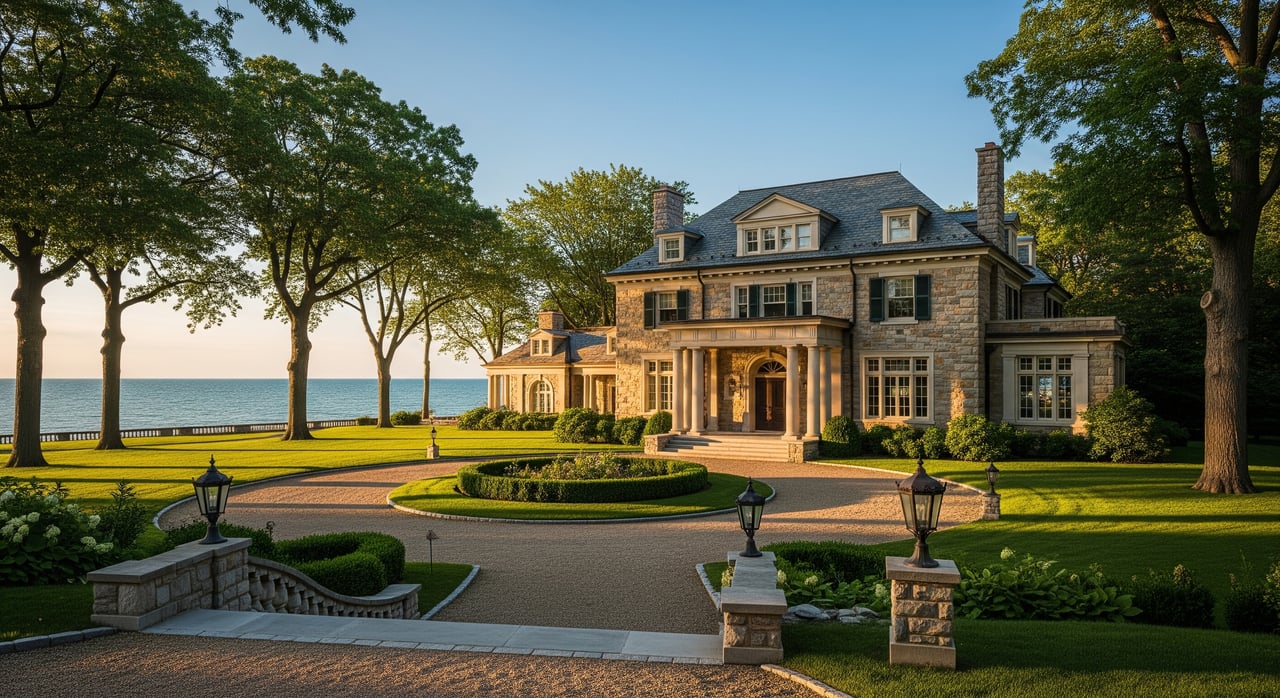
Wondering what day-to-day life in Lake Forest really feels like? If you want quiet streets, outdoor space, and an easy routine with rail access to Chicago, this North Shore suburb may be a strong match. You will find a mix of historic charm, lakefront recreation, and a small-town downtown that makes errands and coffee runs simple. In this guide, you will see how neighborhoods live, where people gather, how commuting works, and what homes look like so you can picture your life here. Let’s dive in.
Lake Forest at a glance
Lake Forest is an established Chicago North Shore community with large lots, mature trees, and planned public spaces. The scale is comfortable and residential, with a walkable downtown core and many quiet streets. Households often include professionals and families who value schools and outdoor recreation. The vibe blends classic architecture, civic pride, and access to Lake Michigan.
Neighborhoods and daily rhythm
Market Square and downtown
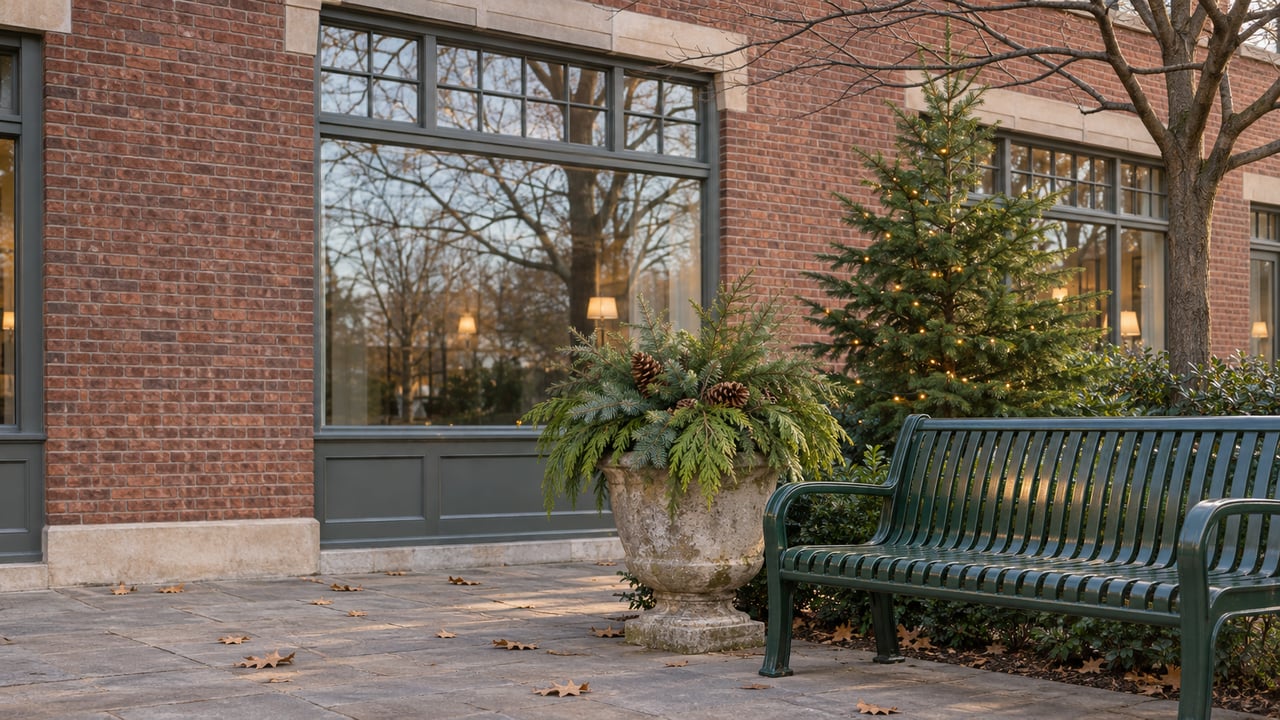
Downtown centers on Market Square, a pedestrian-friendly hub with boutiques, cafes, and everyday services. You can grab coffee, pick up dinner, and attend seasonal events within a few blocks. Community calendars often include farmers markets and holiday activities. It is an easy place to run daily errands and meet neighbors.
Historic estate areas
Several neighborhoods feature architecturally significant homes on generous lots. You will see early 20th century estates, tree-lined streets, and a relaxed pace. These streets feel private and low density, which supports quiet routines at home. If you enjoy gardening or outdoor entertaining, the lot sizes are a draw.
Suburban residential pockets
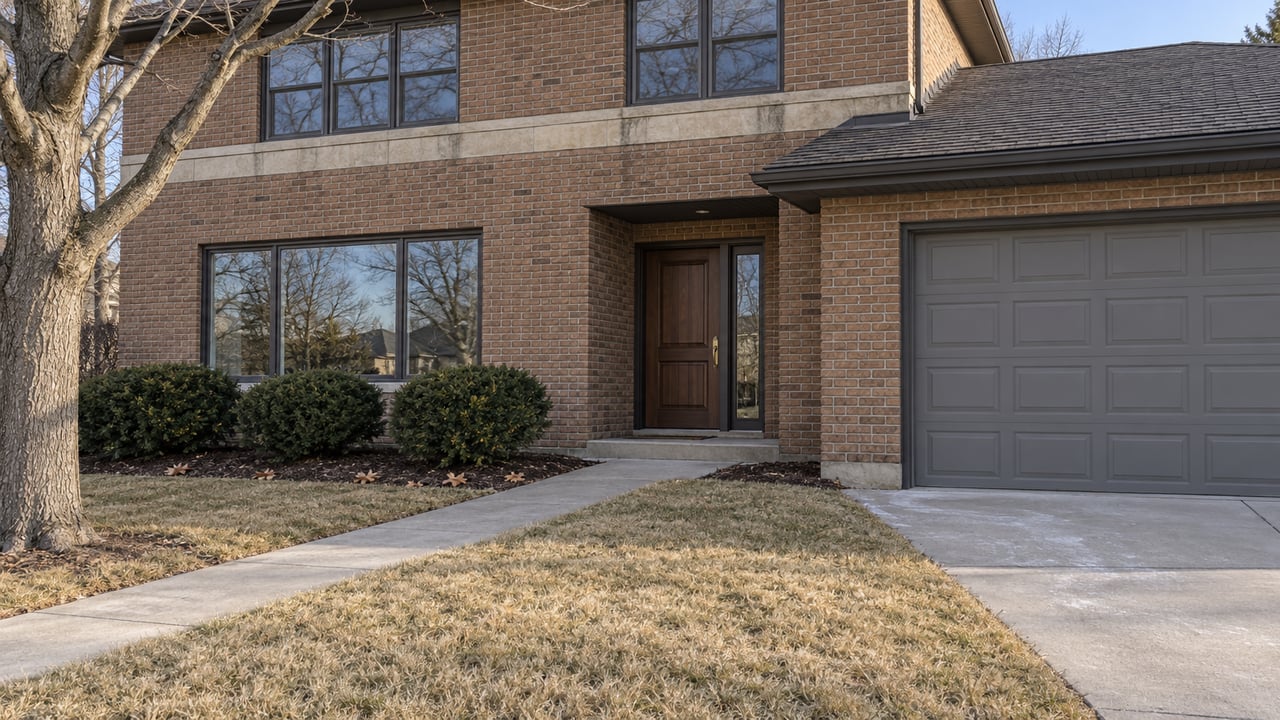
Across Lake Forest, you will find single-family neighborhoods with a mix of mid-century and newer homes. Sidewalks, parks, and school access shape daily routes for many residents. Afternoons often include park district activities or youth sports. Evenings tend to be relaxed, with quick trips to downtown or simple nights at home.
Fort Sheridan shoreline
The Fort Sheridan area adds a distinctive twist to local life. The former military post includes historic streetscapes and adjacent open spaces along the shoreline. Trails and scenic overlooks make for peaceful walks and bike rides. It is a popular destination for weekend time outdoors.
Schools and learning options
Public districts overview
Lake Forest’s public schools include local elementary and middle districts that feed to Lake Forest High School. Families often consider school feeder patterns when choosing a neighborhood. The high school is known for a broad curriculum, athletics, and extracurriculars. If schools are on your checklist, review district websites and state report cards for the most current details.
Private and early learning
Private options in and near town include college-prep and parochial schools, along with specialty programs. Early childhood centers and preschools operate in multiple locations around the city. Availability can vary by age group and season, so it helps to plan ahead. Parent networks and school events are active and tend to shape community connections.
Parks, lakefront, recreation
Lake Michigan access
Lake Forest enjoys direct access to Lake Michigan with beaches, bluffs, and shoreline parkland. Public access points create space for swimming in summer and quiet walks in the shoulder seasons. Boating and nearby marinas add options for time on the water. Lake views and breezes are part of daily life for many residents.
Park district programs
The park district runs a broad mix of programs for all ages. You will find playgrounds, athletic fields, community centers, and fitness classes. Seasonal activities include youth sports, summer camps, sledding, and ice skating where facilities allow. Trails and preserved natural areas set the tone for a year-round outdoor lifestyle.
Getting around and commute
Metra to Chicago
Metra’s Union Pacific North Line serves Lake Forest with direct trains to downtown Chicago. Depending on the specific train and station, many commuters plan for roughly 40 to 60 minutes to central business districts. Express options can trim time, and schedules vary by day and season. If commuting is a priority, try a sample run at your typical hour to see what fits your routine.
Driving and airports
I-94 connects Lake Forest to Chicago and Milwaukee, and local roads are well maintained. Drive times to downtown Chicago depend on traffic and destination, with peak congestion affecting the route. Rideshare and car commuting are common for local trips. Air travelers typically use O’Hare or Midway, with smaller regional airports available for private flights.
Homes and architecture
Styles and property types
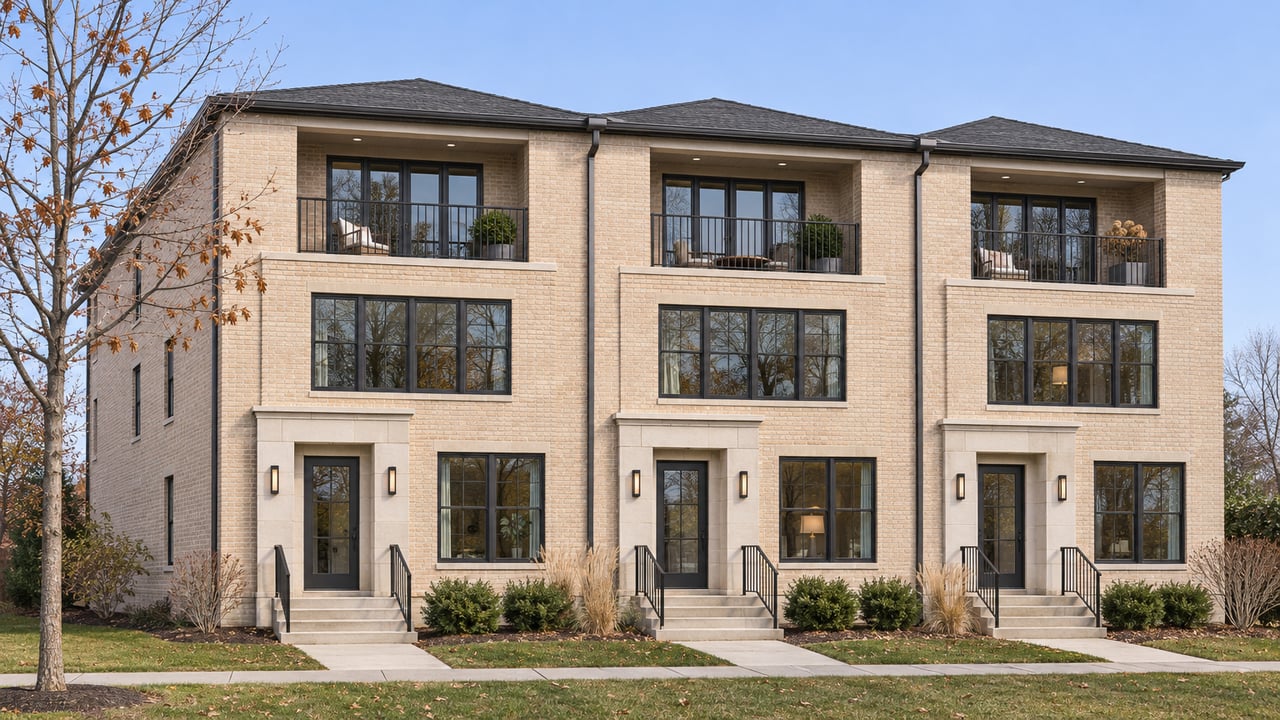
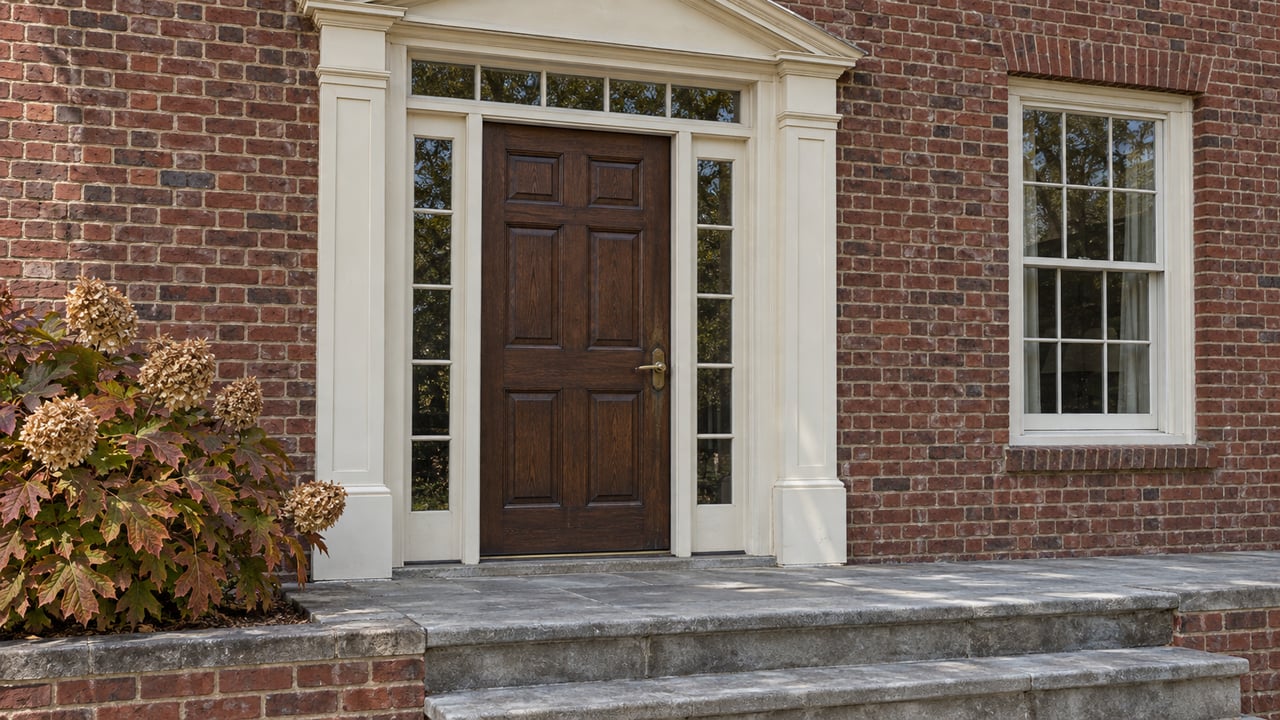
You will see a wide range of homes: historic mansions from the Gilded Age and early 20th century, Tudor Revival and Colonial, Craftsman bungalows, mid-century designs, and newer luxury construction. Downtown and select developments offer condos and townhomes. These appeal to professionals and downsizers who want lower maintenance. Lakefront properties form a premium segment that includes older estates and modern renovations.
Lot sizes and preservation
Many neighborhoods offer large lots with mature landscaping. That means more privacy and room to spread out, plus weekend yard work for those who enjoy it. Infill pockets exist but maintain a suburban feel. If you are considering updates to a historic home, be aware of preservation guidelines and neighborhood standards for exterior changes.
Price patterns and demand
Lake Forest tends to price above regional averages. Entry points often include smaller single-family homes or select condos and townhomes, while high-end estates reach the upper tier. Inventory and pricing shift with season and broader market trends. For a clear picture, align your budget and wish list with current listings and recent sales in your target micro-areas.
Practical living details
Cost of living and taxes
The cost of living is higher than the regional average, mainly due to housing and property taxes. Day-to-day spending on dining, services, and groceries matches an affluent suburban market. Property tax bills in Lake County are a significant consideration for homeowners. It is wise to factor the county assessor’s data and potential exemptions into your monthly budget.
Utilities and services
You can expect standard suburban utilities and municipal services. Older homes may carry higher maintenance needs, especially for heating, cooling, or exterior care. Seasonal costs, including snow removal and lawn care, are common. Well-regarded public safety and municipal departments support a perception of safety and responsiveness.
Healthcare and climate
You have access to local hospital services and regional specialty care in the broader metro. The climate brings four distinct seasons with cold, snowy winters and warm, humid summers. Lake effect patterns can shift conditions near the shoreline. Many residents plan for winter preparedness and enjoy full use of the lakefront in the summer months.
Is Lake Forest a fit for you?
If you are looking for space, a calm daily rhythm, and a community with lake access, Lake Forest deserves a close look. The downtown core makes daily life convenient, while parks and trails encourage time outside. Schools, programs, and civic groups give you many ways to connect. With a range of home styles and lot sizes, you can match your lifestyle to a neighborhood that feels right.
Ready to explore neighborhoods, compare commute options, and understand renovation potential home by home? Connect with Andra O’Neill for local guidance, market strategy, and a hands-on approach that makes your move simpler.
FAQs
How long is the commute to Chicago?
- Many riders plan for roughly 40 to 60 minutes on Metra’s Union Pacific North Line, while drive times vary with traffic and route.
What types of homes are available?
- Options range from condos and townhomes near downtown to mid-century houses, newer luxury builds, and historic or lakefront estates.
How walkable is Lake Forest day to day?
- Downtown and a few neighborhoods are walkable, though most errands from residential areas are car-based, with many residents walking to parks and schools.
Are there rental or condo options for professionals?
- Yes, select condos and rentals exist, particularly near downtown and in specific developments, though the market leans toward homeownership.
What is the community culture like?
- You will find active civic groups, park district programs, seasonal events, and strong participation around schools, arts, and local history.