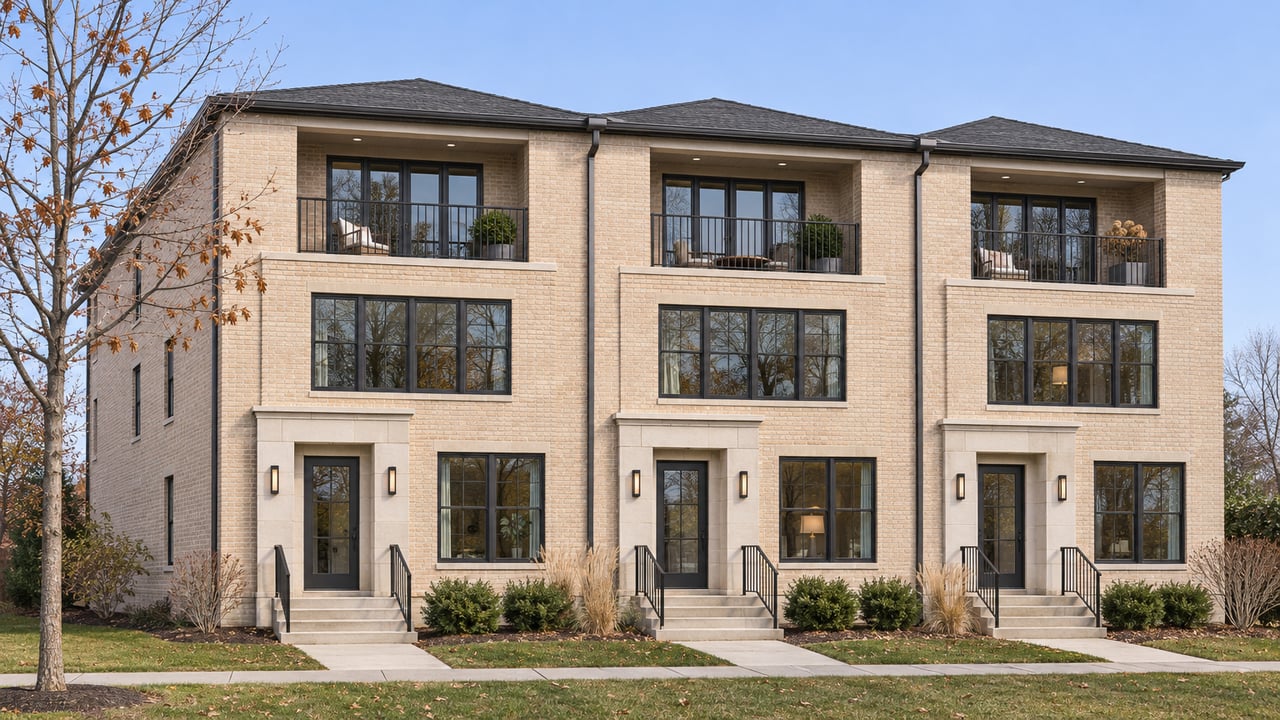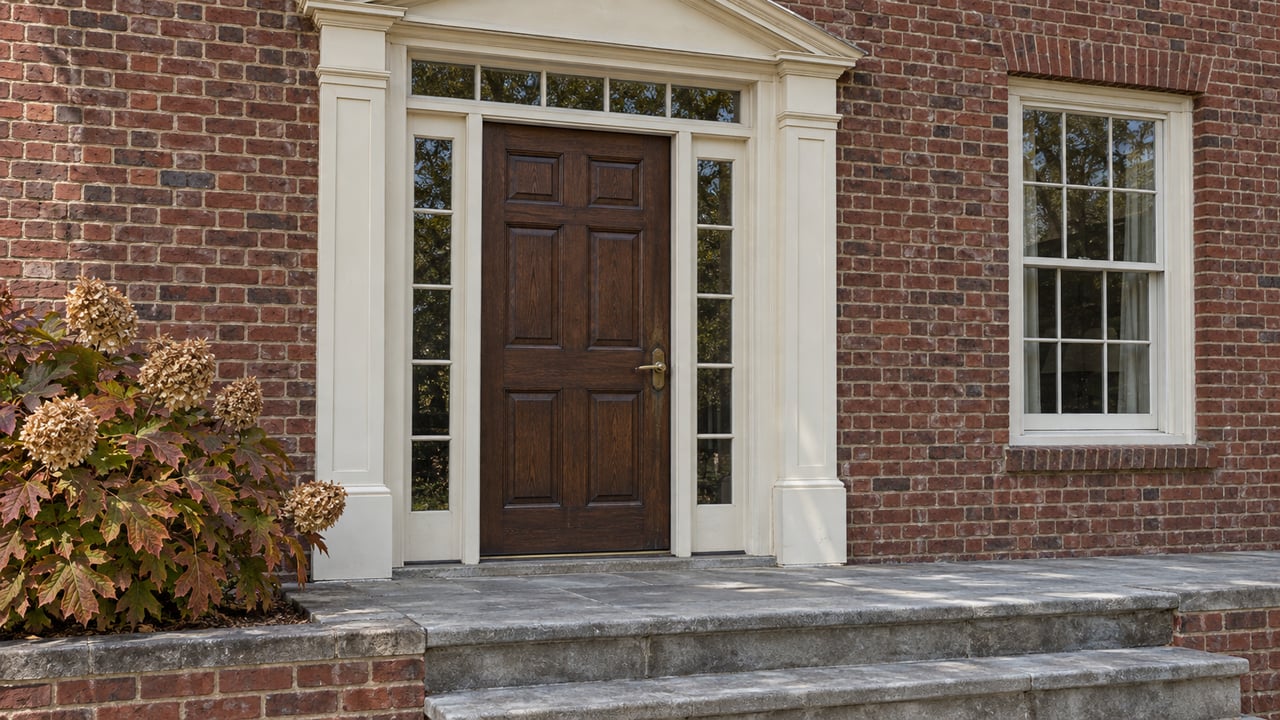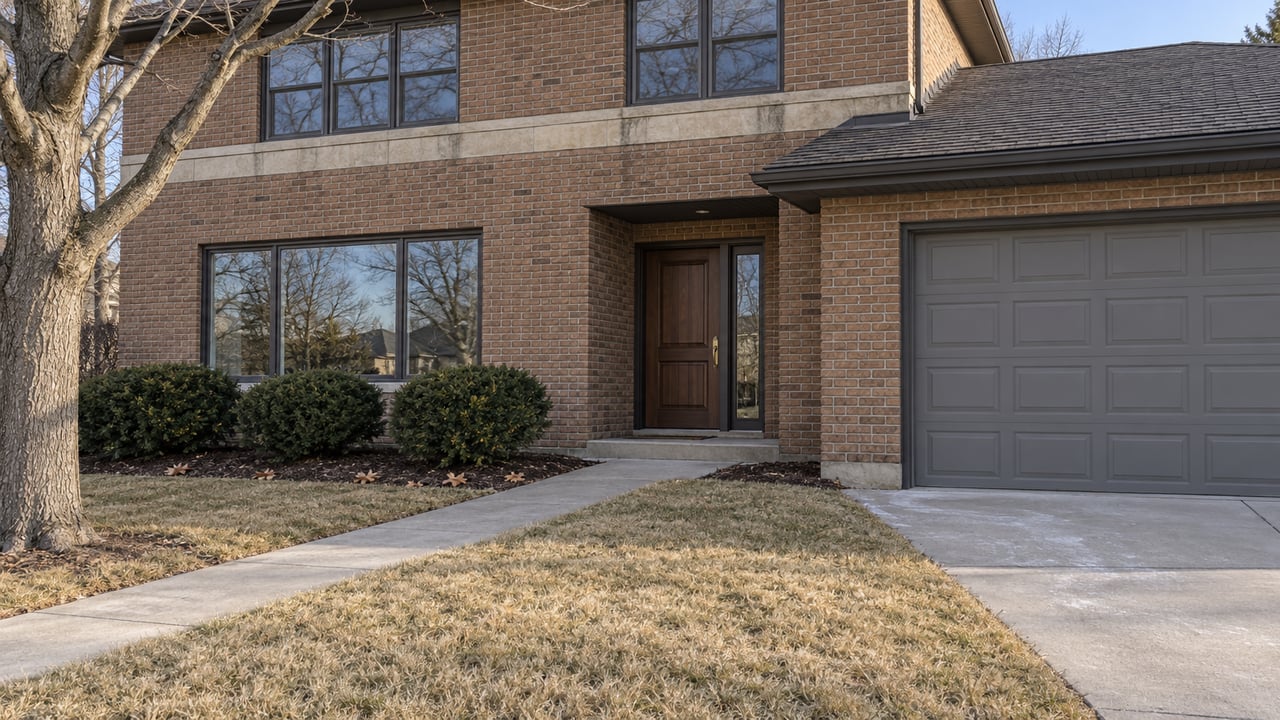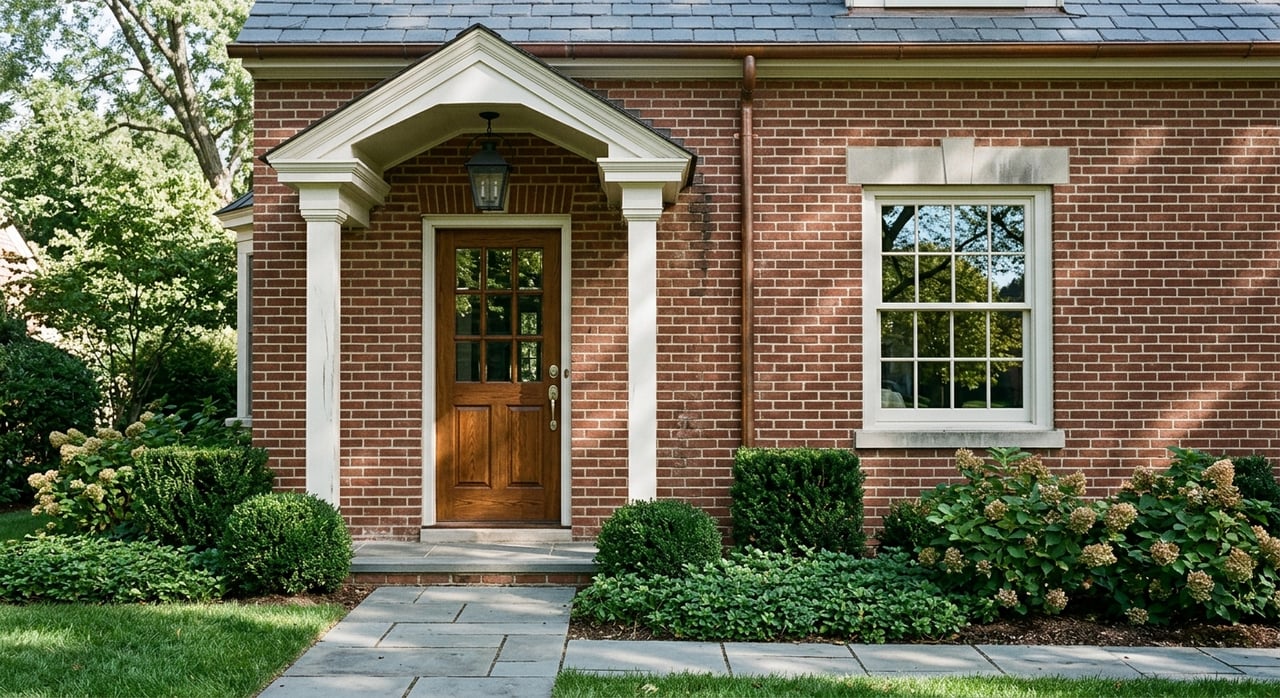
Thinking about renovating a historic home in Glencoe? It can be one of the most rewarding ways to make a house your own, but it also comes with more moving parts than a standard remodel. In a village where architecture, landscape, and long-term property value are closely tied to local character, the smartest approach is usually not a total reinvention. Instead, you want a plan that improves how you live while keeping the home’s defining features intact. Let’s dive in.
Why historic renovation feels different in Glencoe
Glencoe is a preservation-sensitive market for a reason. Village planning materials describe its identity through quality housing, architecture, tree-lined streets, and a strong connection to the broader Chicago region. The Glencoe Historical Society also notes that the village has 13 surviving Frank Lloyd Wright-designed structures, giving it one of the largest concentrations in the world.
That context matters when you renovate. Glencoe is also described as virtually fully developed, with a tax base primarily made up of highly valued residential property. In a market like that, buyers often respond best to homes that feel thoughtfully updated but still true to their original design.
Local policy reflects that same idea. Glencoe’s honorary-landmark rules connect preservation not only to heritage, but also to attractiveness, neighborhood character, and property values. That is why a sensitive update is often the strongest strategy for both daily living and future resale.
Start with your home’s status
Before you sketch plans or meet with contractors, find out how your property is classified. In Glencoe, the approval path can change significantly if your home is a certified landmark or located within a certified historic district.
For certified landmark and certified historic-district properties, you need a certificate of appropriateness before alterations move forward and before building, demolition, sign, or other permits are issued. That requirement can affect timeline, design decisions, and the documents you need to prepare.
Even if your home is not landmarked, exterior changes may still trigger appearance review in certain zoning districts. Glencoe states that this review is intended to protect and enhance the village’s character, architectural heritage, and property values. In other words, it is wise to confirm the review path early rather than assume your project is routine.
Know the approvals before work begins
Historic-home renovations often slow down when owners discover permit and review requirements too late. In Glencoe, village code says a permit is required before construction, alteration, repair, or excavation work. For certified landmarks and historic-district properties, a building permit is also required to enlarge, alter, demolish, or change exterior architectural features.
If a certificate of appropriateness is required, the application is detailed. It may include site plans, front, side, and rear elevations where relevant, descriptions and photos of the proposed work, adjacent-owner information, a list of significant architectural features, and identification of any architect or developer involved.
The village then provides notice and holds a public hearing. For demolition requests, the village can postpone a decision for up to 12 months while alternatives are explored. Once issued, a certificate of appropriateness is valid for one year.
What Glencoe looks at in historic review
Glencoe’s designation criteria are broad and design-focused. The village considers whether a property has important historic, cultural, aesthetic, or architectural character. It also looks at whether a property is associated with notable people or events, represents the work of a significant architect or builder, stands out as a rare or intact style example, or contributes to the overall character of a district.
That means review is not just about age. It is about what gives the home and streetscape their recognizable identity. If you are unsure how your house may be viewed, owners can request a preliminary review before filing a complete nomination.
Plan renovations around character-defining features
A helpful framework for Glencoe homeowners is rehabilitation, which means making a compatible use possible through repairs, alterations, and additions while preserving the parts of the building that convey its historic value. That approach usually fits how buyers think about older North Shore homes as well. They want modern function, but they also want authenticity.
Many projects can still work within that framework. Kitchens, baths, mechanical upgrades, accessibility changes, and additions may all be appropriate when they are planned carefully. The key is to identify what should stay, what can be repaired, and where changes can happen with the least impact.
This is where disciplined planning pays off. The best results tend to come from improving comfort and performance while keeping the home recognizably original.
Be careful with open-plan changes
One of the biggest renovation risks in an older home is the interior layout. Guidance on historic rehabilitation notes that room arrangement and circulation patterns can be part of a building’s historic character. Primary spaces, corridors, and circulation areas deserve careful retention.
In practical terms, that means you should be cautious about removing walls simply to chase a fully open layout. What feels appealing on paper can erase the proportions and flow that give an older Glencoe home its charm.
That does not mean you cannot improve function. It means your design team should study how the home works before making major structural changes. Often, a more tailored update preserves key spaces while still improving light, storage, and daily use.
Repair first, replace carefully
Material selection matters in every historic renovation. Preservation guidance generally favors repair over replacement when deterioration is limited. When replacement is necessary, compatible substitute materials may be appropriate if they closely match the original visual and physical properties.
Windows are one of the most important examples. For owner-occupied historic homes in Illinois using the assessment-freeze process, reviewers require retention and repair of street-visible historic windows if they exist. That makes window decisions especially important during design and budgeting.
The same mindset can apply across the house. Before replacing original materials outright, it is worth asking whether they can be stabilized, repaired, or matched more faithfully. In many cases, that choice supports both appearance and long-term value.
Budget for site work, not just the house
Historic-home budgets in Glencoe often run higher than owners expect, and not only because of the structure itself. The village’s site-development checklist shows that major additions and renovations may require existing-conditions, grading, utility, development-site-management, and tree-removal, preservation, or replanting plans.
There may also be requirements for off-site parking, delivery-route planning, silt fencing, dust control, concrete washout, stabilized construction entrances, and tree-protection fencing. On ravine or bluff sites, added stormwater and erosion-control measures may apply.
That means your budget should include the full site impact of the project. If you focus only on interior finishes and contractor pricing, you may miss costs that meaningfully affect your timeline and bottom line.
Protect the trees and landscape
In Glencoe, the landscape is part of the property’s value story. Village code requires applicants to preserve and protect trees and other vegetation during construction. It also sets distance standards for utilities and paving near mature and small trees.
For many homes, especially on established lots, tree protection can shape where you build, how you stage construction, and what you spend. A historic renovation plan should treat the canopy and site conditions as part of the project from day one.
This is especially important if you are considering additions, driveway changes, or utility work. A beautiful renovation can lose momentum quickly if site damage creates avoidable delays or extra costs.
Choose a preservation-aware team
Not every contractor or designer is the right fit for a historic home in Glencoe. The village’s application process can require detailed drawings and photographs, architect or developer identification, a professional engineer for grading and utility work, and a certified arborist for tree inventories.
That level of documentation favors a team that is comfortable with both construction and preservation review. You want professionals who can think beyond finishes and square footage and who understand how approvals, materials, and site conditions interact.
For homeowners, this is often where expert guidance matters most. A technically informed advisor can help you ask the right questions early, avoid over-improving in the wrong places, and align renovation choices with future resale.
Look at incentives early
Some historic-home projects in Glencoe may qualify for state-level incentives, but eligibility depends on the property and the work. Illinois offers a property tax assessment freeze for owner-occupied principal residences that are historic when rehabilitation costs equal at least 25% of the property’s pre-rehab fair-cash value and the work meets the Secretary of the Interior’s Standards.
The freeze lasts eight years, followed by a four-year step-up period, and the program is free. The State Historic Preservation Office lists Glencoe among approved local governments as of July 2022 and advises owners to contact SHPO early in the design process, since work completed before approval is at the owner’s risk.
Illinois also offers a 25% historic-preservation tax credit for certified rehabilitations of certified historic structures through December 31, 2028. That credit is usually more relevant to income-producing properties than to a typical owner-occupied single-family home, so it is important to match the incentive conversation to the property type.
Not every older home qualifies
One of the most common misconceptions is that every older house automatically qualifies for historic benefits. In Glencoe, that is not the case. Local tax advantages or public funds are intended only for certified landmarks, certified structures, buildings, objects, or sites within a historic district, and certain properties within a certified historic district with the required recorded declaration.
That distinction matters whether you are planning a renovation or evaluating a home for purchase. Two houses may look similar in age and style, but their review requirements and incentive options may be very different.
The best resale story is balance
If you are renovating with future value in mind, the strongest message in Glencoe is usually simple: updated, but still true to the house. Village planning and preservation language repeatedly ties character-sensitive rehabilitation to neighborhood quality, buyer appeal, and property values.
For sellers, that can make a meaningful difference in how a home is perceived. For buyers, it can help you prioritize improvements that support daily life without undermining the design features that made the property special in the first place.
That balance is where local market knowledge and building insight come together. In a place like Glencoe, good renovation decisions are rarely about doing the most. They are about doing the right work, in the right order, with the right respect for the home and the setting.
If you are weighing a purchase, planning updates before listing, or trying to understand how renovation choices may affect value, working with someone who understands both North Shore housing stock and the realities of construction can make the process far more manageable. For tailored guidance on Glencoe homes, renovation strategy, and positioning your property for the market, connect with Andra O'Neill.
FAQs
What approvals may be required for a historic home renovation in Glencoe?
- If your property is a certified landmark or a certified historic-district property, Glencoe requires a certificate of appropriateness before alterations and before related permits are issued. Building permits are also required for construction, alteration, repair, or excavation work.
What documents are needed for a certificate of appropriateness in Glencoe?
- The application may require site plans, relevant elevations, detailed descriptions and photos of the proposed work, adjacent-owner information, a list of significant architectural features, and identification of the architect or developer involved.
Can you open up the floor plan in an older Glencoe home?
- Possibly, but older homes often have important room arrangements and circulation patterns that contribute to their character. Major open-plan changes should be approached carefully and planned around the home’s defining spaces.
Do historic windows need to be preserved in an Illinois renovation?
- For owner-occupied historic homes using the Illinois assessment-freeze program, street-visible historic windows must be retained and repaired if they exist.
Are there tax incentives for renovating a historic home in Glencoe?
- Some properties may qualify for the Illinois property tax assessment freeze, and certain certified rehabilitations may qualify for the state historic-preservation tax credit. Eligibility depends on the property’s status and the nature of the project.
Why is tree protection important during a Glencoe renovation?
- Glencoe requires applicants to preserve and protect trees and vegetation during construction, and tree-related standards can affect site planning, utility placement, paving, and total project cost.