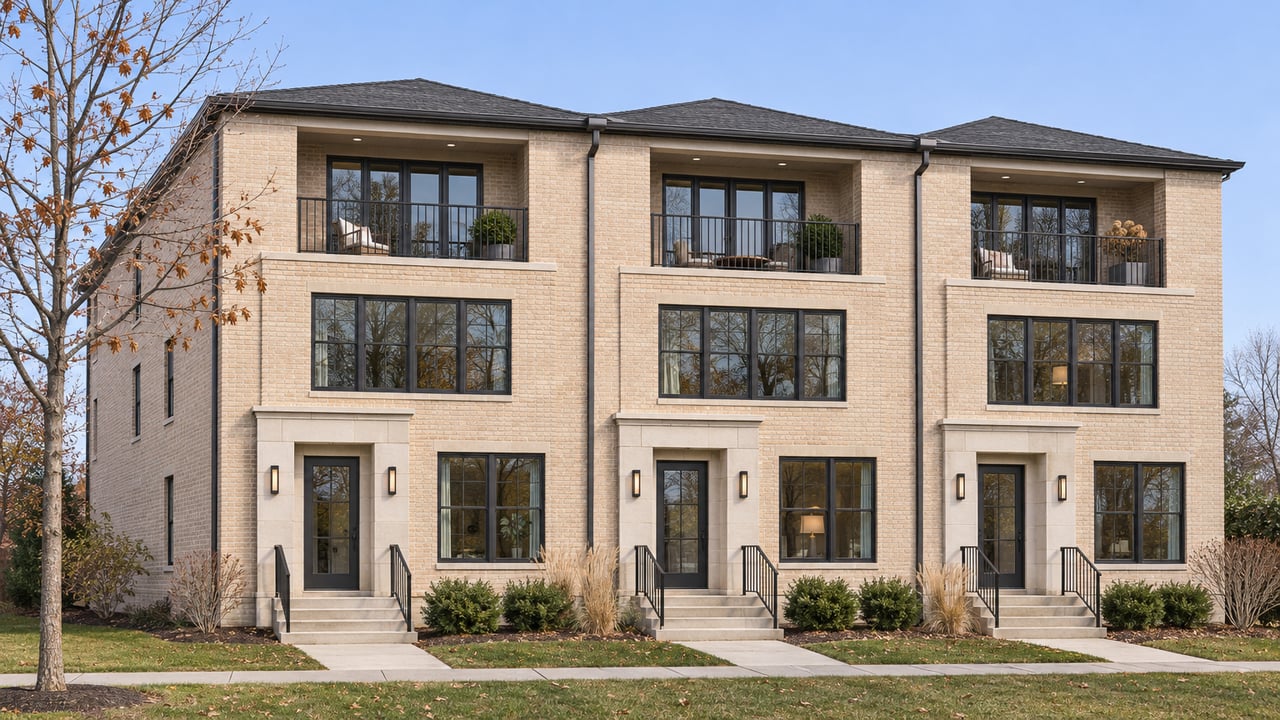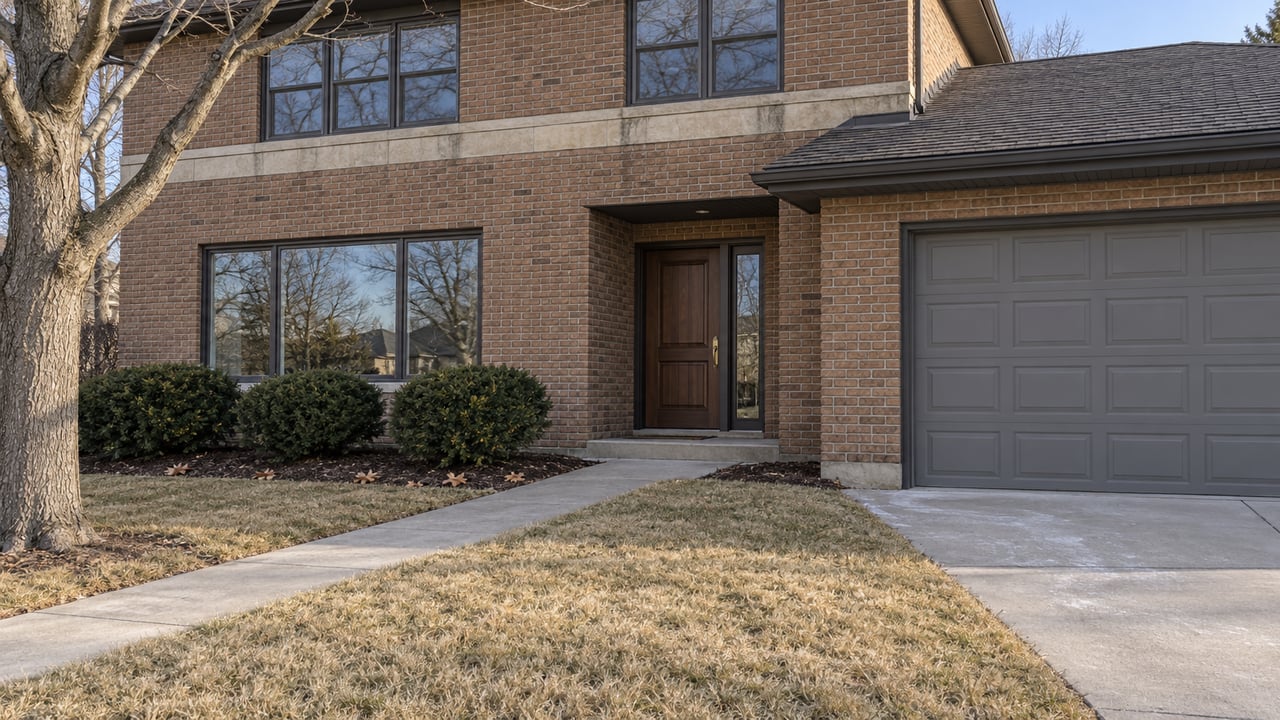
Moving on a 90-day clock can feel intense, especially when you are juggling work, family, and the unknowns of a new city. If Evanston is your destination, you are in good company. The city blends urban convenience with lakefront parks, neighborhood shops, and quick rail access to downtown Chicago. This guide gives you a clear week-by-week plan for housing, schools, commute, and closing so you can relocate with confidence. Let’s dive in.
Your 90-day move timeline
Weeks 0–2: Secure the foundation
- Book temporary housing that fits your commute and family needs. Focus on parking, cancellation terms, and proximity to transit and childcare.
- Start lender pre-approval. A strong pre-approval streamlines offers and sets your budget and timeline.
- If you have school-age children, review enrollment details for Evanston/Skokie District 65 and Evanston Township High School District 202. Begin document prep early. See District 65’s website and ETHS for required forms and dates.
- Connect with a local buyer’s agent to map neighborhoods and request an initial set of listings across home types and price bands.
Weeks 3–6: Search, shortlist, and negotiate
- Tour your top 6–8 properties in person or virtually. Do trial commutes from each home during peak times using Metra or CTA, and by car.
- When you find the right home, submit your offer with lender pre-approval. In Illinois, engage your real estate attorney at acceptance for contract review, title, and closing logistics.
- Schedule general and specialty inspections within the contingency window. Older Evanston homes may need sewer, roof, HVAC, and environmental checks.
Weeks 7–10: Inspect, estimate, and finalize
- Review inspection results and get 2–3 contractor bids for any work. Prioritize safety, roof, HVAC, and essential systems.
- Complete underwriting, appraisal, and title review with your lender and attorney. Confirm target closing date.
- Begin utility transfers for electric, gas, and internet. Book installation windows early.
Weeks 11–12: Close and move
- Do your final walkthrough. Confirm agreed repairs or credits.
- Arrange movers, elevator reservations, and temporary storage if needed.
- After closing, set up resident parking permits if required, enroll with the local library, and review trash and recycling schedules.
Temporary housing that works in Evanston
Finding the right temporary base helps you focus on the search, schools, and work.
Options to consider
- Extended-stay hotels: Predictable service, weekly cleaning, and on-site amenities. Space is limited and monthly costs can be higher.
- Corporate housing or serviced apartments: Fully furnished with kitchens and workspace, often better for families and executives who need privacy and flexibility.
- Furnished short-term rentals: Can be cost-effective and flexible. Quality and responsiveness vary. Verify pet policies, parking, and extension terms.
- Short-term leases on traditional rentals: Good value when available. Less common and may require broker support to find quickly.
Evanston areas that simplify life
- Downtown and Davis Street corridor: High walkability to dining and shops, and direct access to Metra and the CTA Purple Line.
- South Evanston and near Northwestern: Convenient to parks and the lakefront, and close to campus-related activities.
- Central Street district: Neighborhood feel with local retail and restaurants, and access to Metra.
Booking tips
- Confirm parking availability, especially if you plan to drive daily.
- Review cancellation and extension terms in writing.
- Ask about included insurance and liability coverage.
- Map the route to your workplace or campus and your preferred school or childcare.
Transit, commute, and mobility
Evanston gives you multiple ways to reach downtown Chicago and neighboring suburbs.
- Metra: The Union Pacific North line serves Evanston and is a frequent, reliable option for commuting to downtown Chicago. Check current service and schedules on the Metra website for planning.
- CTA: The Purple Line runs through Evanston with local and timed express patterns. See the CTA Purple Line page for live updates and connections to the Red and Yellow lines at Howard.
- Driving: I-94 and major arterials provide access to Chicago and the North Shore. Expect variability at peak times.
- Parking: Rules vary by neighborhood and building. Review City of Evanston residential permit guidance if you plan to rely on street parking.
Commute planning tip: before you sign a long-term lease or purchase, do a trial commute during your target time window. Measure door-to-door, including walking, parking, and transfers.
Build your shortlist: Home types and neighborhoods
Start broad, then narrow with data and trial commutes.
Home types you will see
- Single-family homes: Yard space and long-term stability. Consider maintenance budgets and potential updates for older systems.
- Historic homes: Character-rich with larger lots in some areas. Exterior changes may be subject to historic review.
- Condominiums and townhomes: Lower maintenance with potential amenities. Review HOA budgets, fees, and rules.
- New construction or redevelopments: Modern systems and warranties. If pre-construction, closing can take longer.
- Rentals: A 6–12-month lease can give you breathing room to buy with less pressure.
How to choose location
- Commute: Proximity to Metra stations or the Purple Line can reduce door-to-door time.
- Schools: Confirm school assignments with District 65 for K–8 and District 202 for high school. Policies and boundaries can change.
- Parks, lakefront, and daily life: Downtown, Central Street, and Main Street areas offer varied retail and dining. Lakefront proximity can carry a price premium.
- Noise and traffic: Rail corridors and busy streets have tradeoffs. Visit at different times of day.
Due diligence checklist
- School enrollment: Review current registration steps on District 65’s website and ETHS to confirm deadlines and needed documents.
- Property taxes: Request the seller’s most recent tax bill. Use the Cook County Assessor for assessments and the Cook County Treasurer for payment history and exemptions.
- HOA and building health: Ask for current budgets, reserves, and pending assessments. Confirm what fees include.
- Inspections: For older properties, budget for sewer scopes, roof and masonry review, HVAC and electrical evaluation, and potential lead paint considerations for homes built before 1978.
Coordinate your professional team
A well-orchestrated team keeps you on schedule and reduces surprises.
Who does what, and when
- Lender: Begin pre-approval in Weeks 0–2 to set your budget and close faster.
- Real estate attorney and title: In Illinois, an attorney typically handles contract review, title, and closing. Engage at offer acceptance.
- Home inspector and specialists: Book inspections within your contingency window, often 7–10 business days. Add specialists as needed for older homes.
- Contractors: After inspections, secure 2–3 bids for any repair or remodel work. Prioritize safety and major systems first.
Permits and preservation
Most structural, mechanical, and electrical work requires permits from the City of Evanston. If the property is within a designated historic district, additional review may apply. Review the City of Evanston’s Community Development resources for Building Division permits and Historic Preservation Commission guidance before starting work.
Practical coordination tips
- Keep a shared contact list with your lender, attorney, inspector, and 2–3 contractors for plumbing, electrical, and HVAC.
- Use e-signature tools to avoid delays.
- Vet contractors by verifying insurance, local references, written schedules, and lien waivers for larger jobs.
- Expect 30–60 days for a financed closing. Cash can move faster. Build buffer time into your temporary housing.
The 90-day checklist you can follow
Days 0–7
- Reserve temporary housing with clear parking and extension options.
- Start lender pre-approval and document uploads.
- If applicable, begin school enrollment inquiries on District 65 and ETHS sites and gather documents.
- Ask for an initial property set across home types and neighborhoods.
Weeks 2–4
- Tour your top properties and run trial commutes by rail and car.
- Submit offer, then schedule inspections and review seller disclosures.
- If you are selling elsewhere, align timelines and book movers.
Weeks 5–8
- Review inspection results and gather contractor bids within 7–14 days.
- Complete underwriting, appraisal, and title review. Confirm your target closing.
- Begin utility transfers and schedule internet installation.
- Confirm school registration documents and start dates.
Weeks 9–12
- Do your final walkthrough and sign closing documents.
- Schedule movers and elevator reservations. Arrange temporary storage if needed.
- Post-move: set up resident parking permits if applicable, obtain a library card, review trash and recycling schedules, and meet your HOA or condo board.
- If remodeling, submit permit applications before work begins and confirm your contractor’s milestones and payment schedule.
Quick transit cheat sheet
- Metra Union Pacific North line: Access to downtown Chicago from multiple Evanston stations. Review current schedules on the Metra site to plan your door-to-door time.
- CTA Purple Line: Connects Evanston to Chicago with local and timed express service. See the Purple Line page for service patterns and transfer options.
- Car-light living: Downtown near Davis Street offers strong walkability to transit, shops, and restaurants. Consider a garage or building with assigned parking if you drive daily.
What to pack for the first two weeks
- Essential documents: IDs, pre-approval letter, insurance, closing documents, school records, medical records, and prescriptions.
- Family essentials: Basic pantry items, compact cookware, coffee setup, kid comfort items, and a small toolkit.
- Quick fixes: Temporary window coverings, power strips, light bulbs, batteries, and cleaning supplies.
- Work-ready items: Laptop, chargers, headset, and a reliable hotspot in case internet installation is delayed.
Local logistics and key links
- Permits and historic review: Start with City of Evanston Community Development resources for permits and historic guidance before planning exterior or structural work.
- Public schools: Review Evanston/Skokie District 65 and ETHS for current enrollment steps and deadlines.
- Transit: Check Metra for UP-N schedules and CTA’s Purple Line page for service details.
- Property taxes: Use the Cook County Assessor for assessments and the Cook County Treasurer for payment history and exemptions.
You do not have to do this alone. If you want a single point of contact to run the playbook, coordinate lenders, attorneys, inspectors, and vetted contractors, and keep your 90-day plan on track, connect with Andra O’Neill. Our team brings a construction-informed eye, clear communication, and full-service support to every relocation.
FAQs
How long is the commute from Evanston to downtown Chicago?
- Metra’s UP-N line and the CTA Purple Line offer reliable rail options, while driving times vary with traffic. Test your commute from each candidate home and check current schedules on Metra and CTA.
Which Evanston areas are popular with families moving in?
- Many residents consider Central Street, South Evanston near the lakefront, and neighborhoods near parks and transit. Always confirm K–12 school assignments with District 65 and ETHS.
Do I need a parking permit in Evanston?
- It depends on your neighborhood and building. Confirm off-street parking in your lease or contract and review City of Evanston residential permit requirements if using on-street parking.
What hidden costs should I expect with older homes?
- Budget for potential updates to roof, HVAC, plumbing, and electrical, plus possible lead paint considerations for homes built before 1978. Schedule thorough inspections and plan for near-term capital items.
How fast can I close on a home in Evanston?
- Financed purchases typically close in 30–60 days, depending on appraisal, title, and lender timelines. Cash purchases can close faster. Keep a buffer in your temporary housing.
Who pays what at closing in Illinois?
- Closing costs are negotiated in the contract and follow local custom. Your attorney and title company can provide a preliminary settlement statement early in the process.
What permits are required for remodeling in Evanston?
- Most structural, mechanical, electrical, and larger exterior projects require permits through the City of Evanston. Properties in historic districts may need additional review before work begins.