Heard terms like earnest money or appraisal gap and wondered what they actually mean when you buy or sell on Chicago’s North Shore? You are not alone. Real estate language can feel opaque, and practices can vary between towns like Lake Forest and places northwest such as the Village of Lakewood in McHenry County. This guide breaks down key terms in plain English and shows how they play out locally so you can make confident decisions. Let’s dive in.
North Shore vs. Lakewood basics
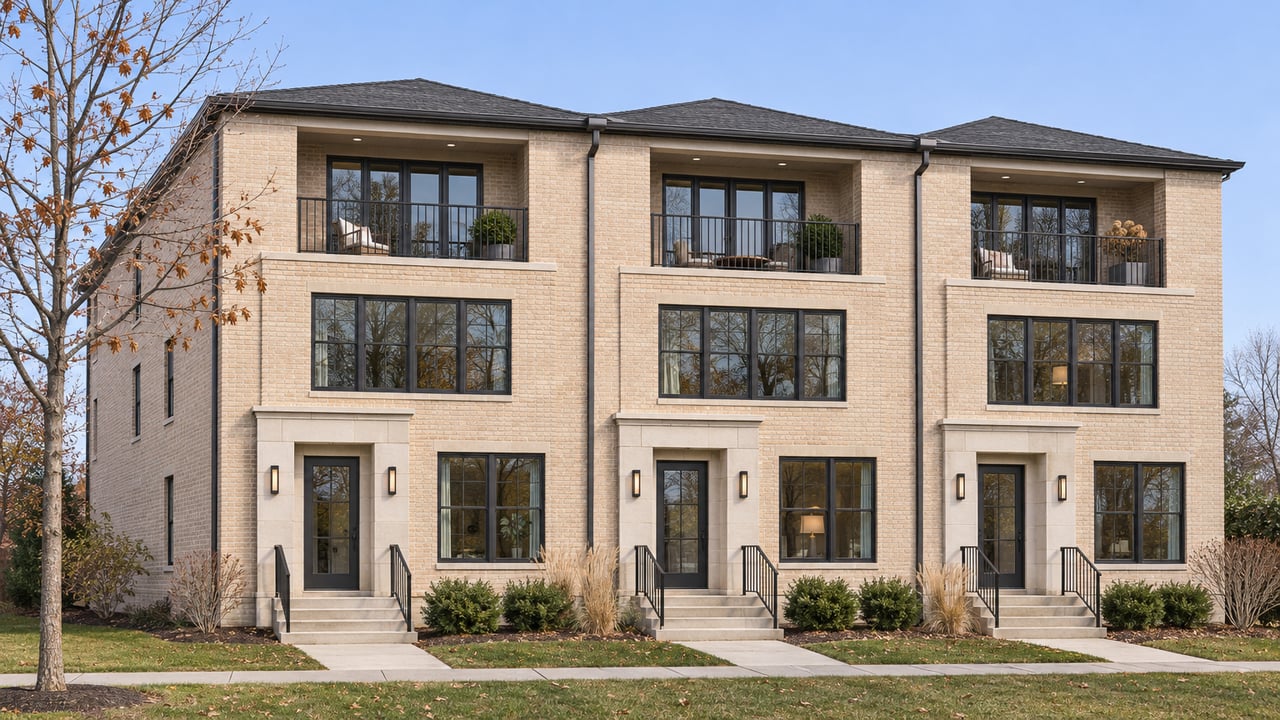
When people say “North Shore,” they usually mean the lakefront suburbs directly north of Chicago, including Lake Forest, Winnetka, and Wilmette. These communities often see higher price points and more multiple-offer situations. Buyers there sometimes shorten or waive certain protections to compete, and sellers of well-priced homes may see strong demand.
Lakewood in McHenry County is northwest of Chicago and not typically labeled as North Shore. Many Lakewood transactions use more traditional timelines and contingencies. What is normal in Winnetka may be unnecessary or counterproductive in Lakewood, which is why local context matters for every term below.
Attorney review
Plain-English meaning
Attorney review is a short window after a contract is signed when an attorney can review the deal, suggest changes, or cancel the contract without penalty. Think of it as a safety net for legal review.
How it works in Illinois
Illinois uses standardized residential contract forms. A universal, automatic attorney review period is not required statewide. If you want a formal review window, you typically include an attorney-approval contingency or have your attorney involved before or right after your offer is accepted. In many higher-end North Shore transactions, attorneys are commonly engaged early, especially for complex estates or unique title issues.
What to do
- Ask your agent whether attorney approval is customary in your town.
- Line up an attorney before you write or accept an offer if you want formal review rights.
- Keep timelines clear in writing so everyone knows the review period.
Earnest money
Plain-English meaning
Earnest money (often called EM) is your deposit that shows you intend to complete the purchase. It is placed with a title or escrow company, or a brokerage trust account, and is applied to your funds at closing under the contract terms.
Typical amounts and norms
In many suburban markets, EM is often about 1 to 3 percent of the purchase price. In very competitive North Shore deals, buyers may offer more to strengthen an offer. On high-priced listings, even a similar percentage can be a larger dollar amount.
- Example: On a 700,000 dollar home, a 2 percent deposit equals 14,000 dollars.
- A larger deposit can signal seriousness, but it is not a substitute for a strong mortgage pre-approval or proof of funds.
Refundable or forfeitable
If you cancel within an active contingency period, EM is typically returned per the contract. If you breach the contract without an allowed reason, the seller may keep the EM as liquidated damages, as the contract provides. The contract also specifies who holds the funds and how they are disbursed.
Appraisal and the appraisal gap
Plain-English meaning
An appraisal is the lender’s valuation to confirm the property’s market value supports the loan. The appraisal gap is the difference if the appraisal is lower than the contract price. An appraisal contingency lets you renegotiate or cancel if the property does not appraise at or above the purchase price.
How it plays out
Lenders underwrite to the appraised value. If the appraisal comes in below the contract price, the lender reduces the loan amount accordingly. You must add cash to cover the difference, renegotiate the price, or cancel if your contingency allows.
- Example: Contract price 1,000,000 dollars; appraisal 950,000 dollars. You would need 50,000 dollars more in cash, agree to a price reduction, or use your appraisal contingency to cancel.
- In competitive North Shore settings, buyers sometimes promise to cover a shortfall up to a set dollar amount or remove the appraisal contingency entirely. Both options increase risk if the appraisal is low.
Contingencies
Plain-English meaning
Contingencies are contract protections. They give you the right to cancel or renegotiate if certain events do not occur or are unsatisfactory within a set time.
Common types
- Inspection contingency, sometimes with radon, termite, or environmental addenda
- Mortgage or financing contingency
- Appraisal contingency
- Title or clear title contingency
- Sale of buyer’s current home contingency
- Attorney approval contingency
Timing and local behavior
Contingency periods are negotiated. Inspection windows often run about 5 to 10 days after acceptance, and financing windows may run about 14 to 30 days depending on lender speed. In competitive North Shore listings, buyers may shorten or waive certain contingencies to compete. In Lakewood and much of McHenry County, standard inspection and finance contingencies are commonly preserved.
Tradeoffs to consider
More protections reduce your risk, but a highly contingent offer may be less competitive in a fast-moving North Shore situation. If you shorten timeframes, move quickly on inspections, loan documents, and appraisal scheduling so you can remove contingencies on time.
Escrow, title, and closing
Plain-English meaning
Escrow can mean two things: a neutral account that holds funds and documents until conditions are met, and the overall closing process managed by a title or escrow company.
How it works in Illinois
Title companies in Illinois typically conduct title searches, issue title insurance, open escrow, collect earnest money, manage closing funds, coordinate payoffs, and record deeds. Attorneys are often involved for contract review or special circumstances, but the title company or closing agent usually coordinates the closing process.
Title insurance and holdbacks
- Lender’s title policy is generally required by your lender.
- Owner’s title policy is recommended to protect you from covered title defects.
- Parties can agree to escrow holdbacks at closing for repairs or items not yet completed. The agreement should state how and when funds are released.
Local practices and red flags
North Shore tendencies
- Higher prices and more multiple-offer situations.
- Sellers often prefer larger earnest deposits, faster timelines, and fewer contingencies.
- Buyers may be asked to cover appraisal gaps or provide a written appraisal gap guarantee.
- Waiving financing or inspection protections increases risk if issues arise.
Lakewood and McHenry County tendencies
- Fewer bidding wars overall compared with many North Shore listings.
- Standard contingencies and typical earnest money ranges near 1 to 3 percent are common.
- Sellers still look for strong pre-approvals and timely deposits, but may be less likely to require appraisal gap guarantees.
Smart negotiation tips
For buyers:
- Get full mortgage pre-approval and updated proof of funds before you write.
- Right-size your earnest money. A larger deposit can help, but be sure you still have cash for closing and reserves.
- If considering any waiver, know your risk tolerance. You can sometimes keep inspection for information only, then proceed as-is if you still choose to buy.
- Discuss appraisal gap strategies with your lender early so you know exactly how much you could cover if values come in short.
For sellers:
- Compare offers on both price and risk. A slightly lower price with fewer contingencies can be more dependable.
- Require earnest money to be deposited promptly with the escrow or title company.
- Confirm clear timelines for inspections, financing approval, and appraisal.
For both:
- Put all deadlines and responsibilities in writing.
- Engage an attorney for complex or high-value transactions if you want that extra layer of review.
- Ask your agent what is customary in your town so you do not overreach or give away more than necessary.
Typical timeline and costs
Illustrative timeline
- Offer accepted, then underwriting and title work begin. Mortgage closings often run 30 to 45 days. Cash deals can close faster, sometimes 7 to 21 days, depending on title work and seller readiness.
- Inspection period is commonly 5 to 10 days after acceptance, subject to negotiation.
- Mortgage contingency removal can range from about 14 to 30 days, depending on lender speed and the appraisal schedule.
- Title commitments often arrive within about 7 to 14 days. Clearing title exceptions can affect timing.
Typical closing costs and who pays
- Sellers often pay real estate commission, the payoff of any existing mortgage, prorated taxes or association dues, and sometimes a negotiated credit to the buyer.
- Buyers often pay lender fees, the appraisal, title insurance for the lender’s policy, recording fees, and prepaids such as insurance or escrow reserves.
- Who pays for the owner’s title policy, transfer taxes, and certain fees varies by town and negotiation. Ask your agent and attorney what is customary where you are buying or selling.
Final thoughts
The same words can mean slightly different moves depending on where you buy or sell. On the North Shore, you may face more multiple-offer dynamics and tighter timelines. In Lakewood and much of McHenry County, you may keep fuller contingencies without hurting your odds. Either way, knowing how attorney review, earnest money, appraisal gaps, contingencies, and escrow work will help you negotiate with clarity and confidence.
If you want seasoned guidance and a team that can coordinate lenders, attorneys, title, and contractors, connect with Andra O’Neill. You will get clear advice tailored to your goals and your town.
FAQs
What is attorney review in Illinois home sales?
- It is a contract window you include if you want a formal legal review period. Illinois does not mandate an automatic review window statewide, so add an attorney-approval contingency or involve counsel early.
How much earnest money should I expect to pay?
- Many suburban deals use about 1 to 3 percent of the price. In competitive North Shore offers, buyers may put more down. The right number depends on your liquidity and market conditions.
What happens if the appraisal is lower than my price?
- The lender will size the loan to the appraised value. You can bring cash to cover the gap, renegotiate, or cancel if you have an appraisal contingency. Without that contingency, you may be obligated to proceed.
Which contingencies are most common for buyers?
- Inspection, financing, and appraisal are common. Title clearance is standard, and some buyers include attorney approval or a sale-of-home contingency based on their situation and the market.
What does escrow do at closing?
- The title or escrow company holds funds, issues title insurance, coordinates payoffs, and records the deed. They can also hold repair funds after closing if both sides agree to an escrow holdback.