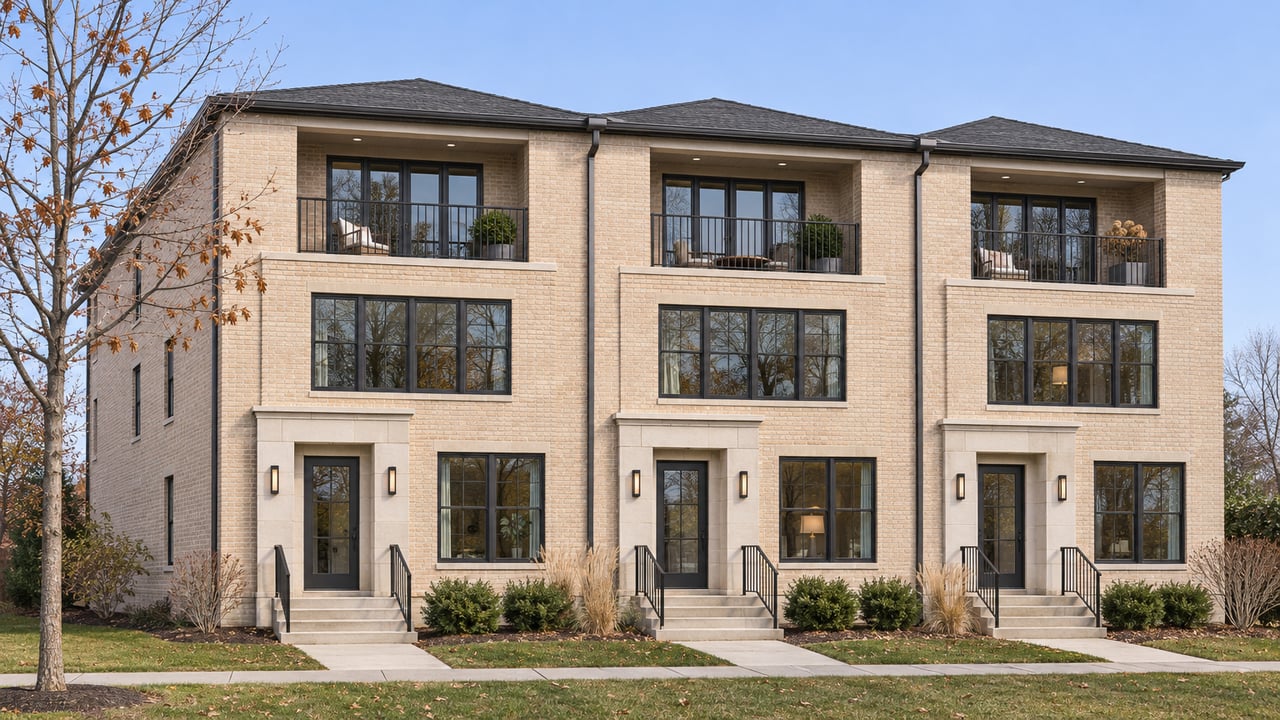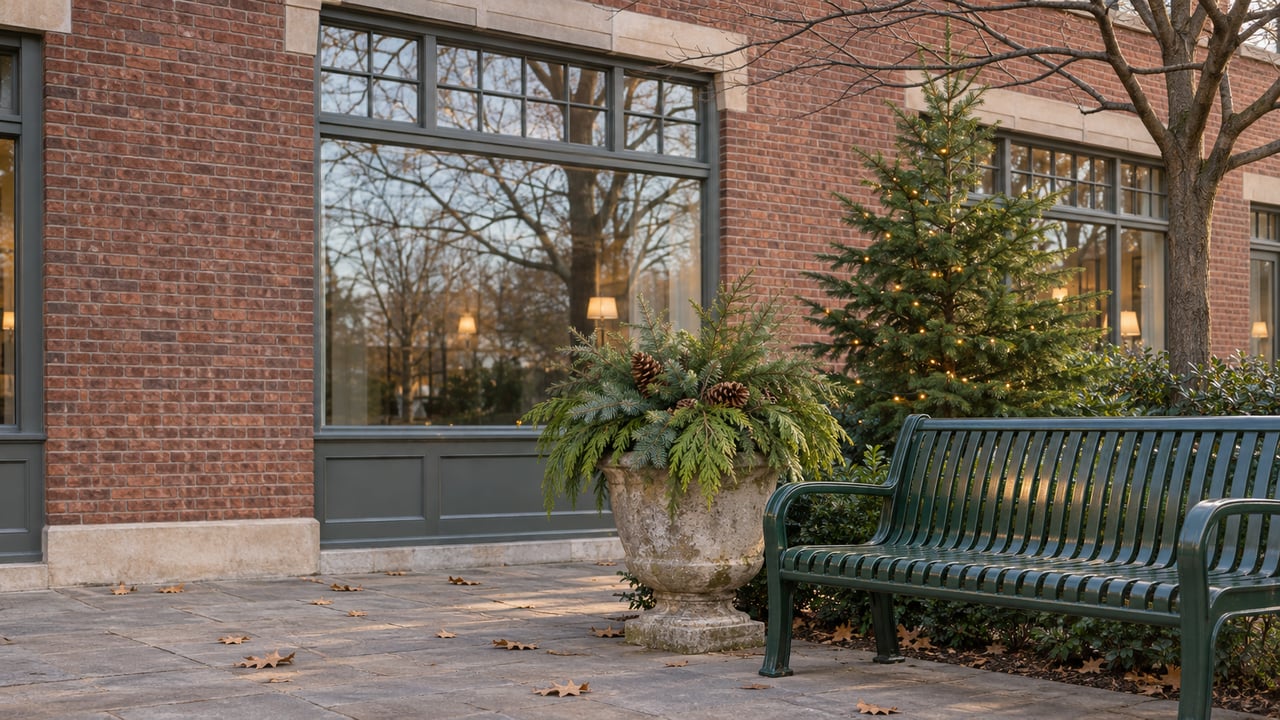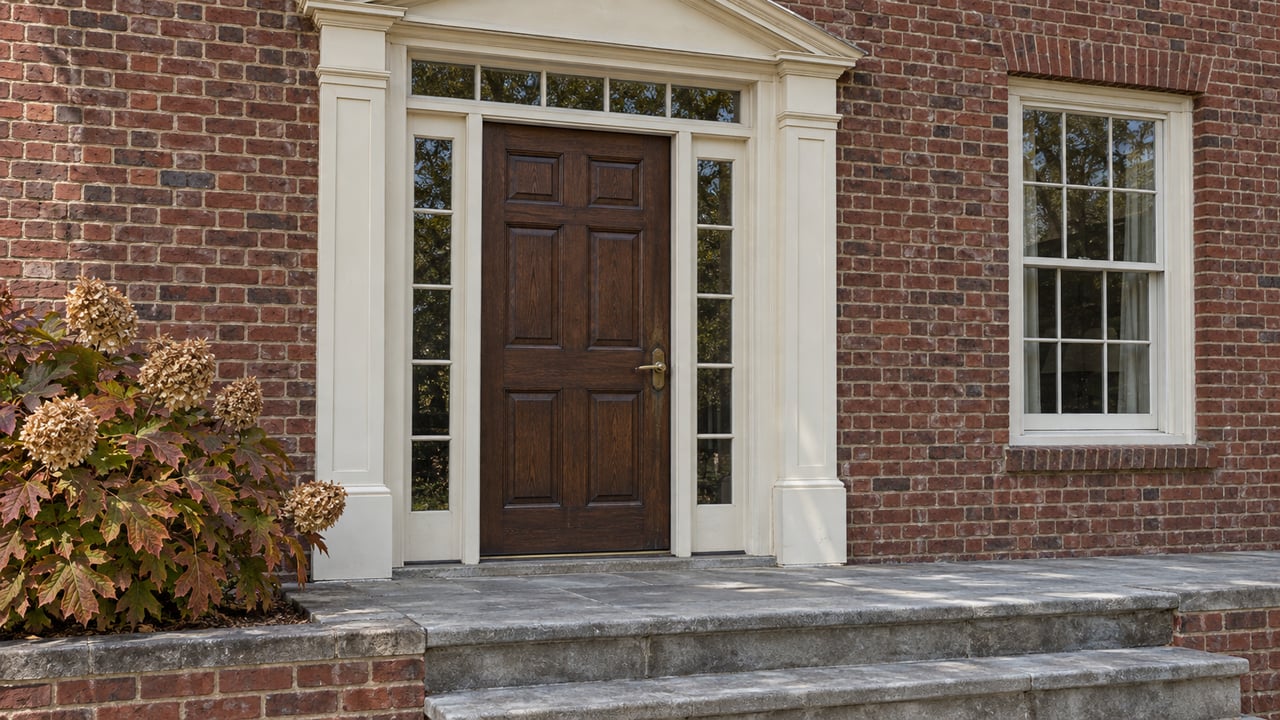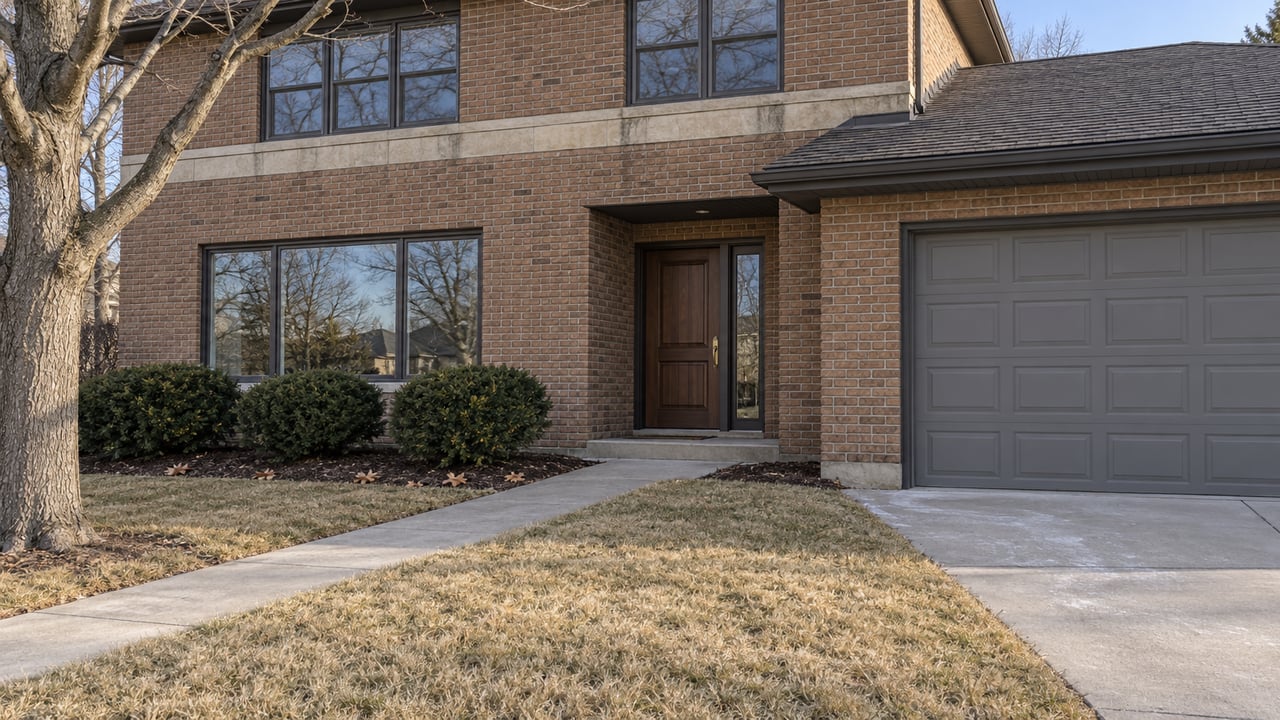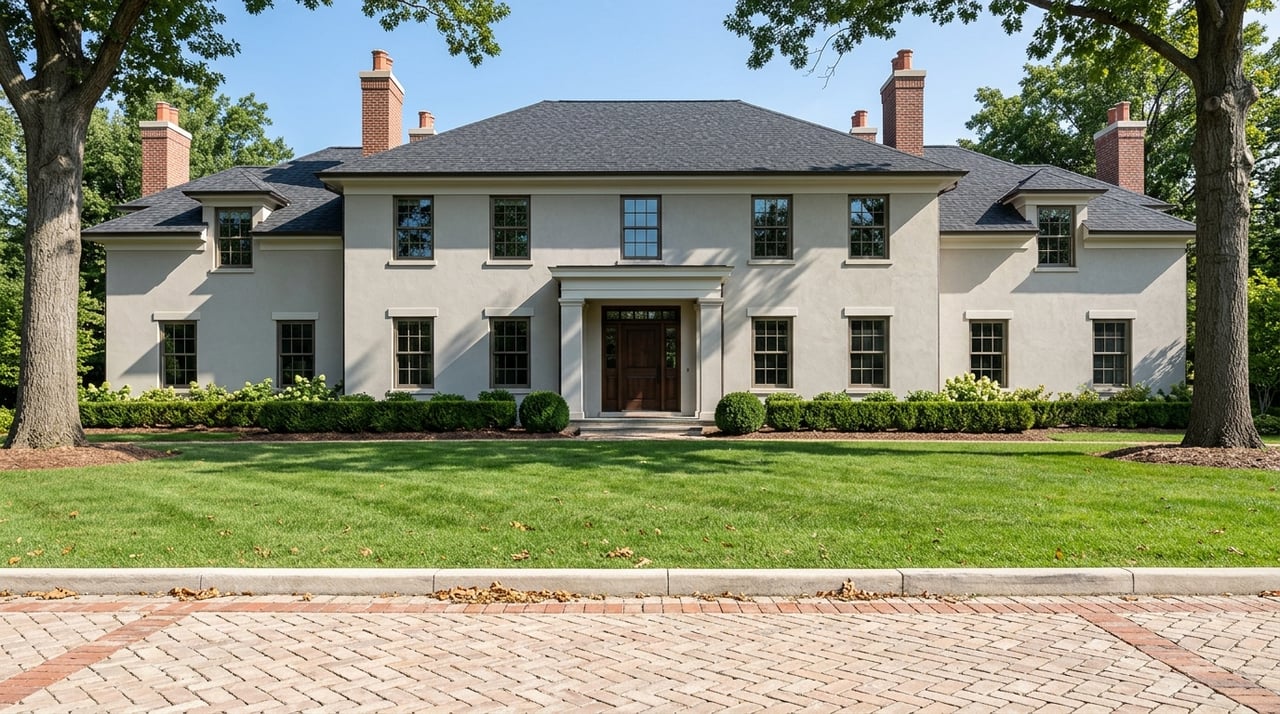
What makes one Lake Forest luxury home command stronger attention than another, even when the square footage looks similar on paper? In this market, architecture often answers that question. If you are buying, selling, renovating, or simply weighing long-term value, it helps to understand how style, setting, and local design standards shape what buyers are willing to pay. Let’s dive in.
Why architecture matters in Lake Forest
In Lake Forest, a home’s value is tied to more than size and finishes. The city’s residential guidelines describe a mature community shaped by neighborhood character, tree cover, street patterns, and Market Square. That means buyers often evaluate the full setting, not just the house itself.
Lake Forest also developed as a series of distinct areas rather than one uniform suburb. Its planning history began with a railroad garden suburb pattern in the 1850s, with estate-scaled lots east of the tracks and a support area to the west. Today, that history still influences how buyers compare homes across different parts of the market.
For luxury buyers and sellers, this matters because Lake Forest behaves more like a collection of architectural submarkets. A Tudor on a mature lot, a Colonial Revival with preserved details, a mid-century contemporary, and a newer custom build may all appeal for different reasons. Value often comes from how well each property fits its setting and delivers a clear architectural identity.
Lake Forest rewards character
The city’s preservation and design framework makes an important point: character is not accidental. The Building Review Board states that its role includes preserving the special character and uniqueness of Lake Forest neighborhoods and protecting property values throughout the community. Residential standards also require new work to harmonize with Lake Forest’s architectural and historic heritage.
That has a direct effect on the luxury market. Buyers are not just paying for interior updates or lot size. They are also paying for authenticity, strong design, and a home that feels intentional on its site.
In a market with limited inventory, those details can become even more important. MRED’s April 2026 local market update shows a trailing 12-month median sales price of $1,424,500, an average sales price of $1,696,176, just 34 homes in inventory at month end, and sellers receiving 101.8% of original list price on average. When supply is tight and pricing is elevated, presentation and architectural differentiation carry real weight.
The architectural styles buyers notice most
Lake Forest includes a broad range of recognized styles. City guidelines identify American Four Square, Colonial Revival, Contemporary, English Cottage, French Eclectic, Italianate, Italian Renaissance, Queen Anne, Ranch, and Tudor among the most visible forms in the local housing stock.
That range gives buyers more than one version of luxury. Some buyers are drawn to formal symmetry, masonry, and historic detailing. Others prefer cleaner lines, landscape integration, and a more modern feel.
The key is that buyers in Lake Forest usually respond to a combination of features rather than a label alone. Style matters, but so do rooflines, materials, scale, proportions, and how the house relates to the street.
Estate-era revival homes
Colonial Revival, Tudor, French Eclectic, and Italian Renaissance homes often carry strong appeal in Lake Forest’s luxury segment. These homes tend to trade on symmetry, masonry quality, roofline presence, and original architectural details.
When those elements remain intact or have been carefully restored, they often strengthen buyer interest. If they have been diluted by awkward additions or low-quality replacements, the home can lose some of the visual clarity that supports value.
Earlier historic forms
Italianate, Queen Anne, and American Four Square homes are also part of Lake Forest’s architectural fabric. In these homes, windows, porches, and massing are especially sensitive to change.
That means buyers often notice when updates feel out of sync with the original design. A renovation that respects the home’s form tends to read as thoughtful, while one that ignores it can feel costly to undo.
Mid-century and contemporary homes
Lake Forest’s 1950s to 1970s contemporary homes are valued on a different basis. Their appeal often comes from clean lines, restrained detailing, and strong integration with the surrounding landscape.
These homes do not need ornate trim or period ornament to compete. In many cases, their value comes from disciplined design, natural light, and a site plan that connects the house to mature landscaping.
Ranch homes
Ranch homes can also perform well when their horizontal character is preserved. Lake Forest’s guidelines specifically caution against second-story additions that ignore the ranch style’s low, horizontal philosophy.
That is a useful reminder for both buyers and sellers. Not every expansion improves value. In this market, a change that disrupts the original design may weaken appeal instead of raising it.
Historic status and buyer perception
Lake Forest’s Historic District, listed on the National Register in 1978, reflects a long stylistic range from late 19th-century and early 20th-century revival architecture into the postwar era. This gives luxury buyers an unusually wide menu of housing types within one local market.
Historic status can also affect value, but not in a simple, automatic way. Broader 2025 housing research found that National Register listing was associated with roughly 9% to 12% higher residential prices, while local historic designation often shifted activity toward permitted renovation instead of new construction or subdivision.
In practical terms, that does not mean every older home in Lake Forest sells for a premium. It means buyers often place stronger value on originality, preservation, and neighborhood fit. Homes that keep their character-defining features usually present better than homes that have lost them.
What tends to support luxury home values
In Lake Forest, certain architectural and site features consistently support buyer interest.
- Original or convincingly restored windows, roofs, masonry, porches, and trim
- Durable, high-quality materials that suit the home’s style
- Large lots with mature trees and landscape-driven site planning
- Driveways and hardscape that do not overpower the property
- Garage placement and scale that fit the house and streetscape
- Strong relationship between the home, topography, and surrounding block
These features matter because Lake Forest’s standards place real emphasis on preserving character, using compatible materials, and letting landscape remain dominant over hardscape. In a luxury setting, that often translates into stronger first impressions and more confidence from buyers.
Renovation choices can help or hurt value
If you own a home in Lake Forest, renovation decisions are part of the value equation. For historic or landmark properties, a certificate of appropriateness is required before certain actions, including visible additions, exterior alterations, demolition, and new construction on a vacant lot. The commission applies rehabilitation standards that are designed to protect neighborhood character.
Even outside historic districts, review still matters. The Building Review Board evaluates demolition, new construction, additions, alterations, site plans, lighting, and landscaping, with an emphasis on visual compatibility, rooflines, topography, materials, and massing.
For sellers, this means buyers may look beyond cosmetic finish levels. They also consider whether prior improvements respected the architecture and whether future changes are likely to be straightforward or more involved.
Updates that usually align with the market
In Lake Forest, the most value-sensitive improvements are often the ones that preserve scale and exterior character. That can include maintaining compatible rooflines, retaining original masonry or trim, and choosing windows and details that fit the home’s design.
The city’s guidance also shows clear preferences in some settings. In historic neighborhoods, detached rear garages are favored, and three-car garages are discouraged on smaller historic lots. Fencing, driveways, and other exterior changes should support the landscape rather than dominate it.
Why demolition is not the default answer
Lake Forest’s Building Review materials state that the city urges renovation, updating, and expansion of existing structures and discourages demolitions. That alone tells you something about local value creation.
In some markets, teardown potential drives pricing. In Lake Forest, preserving and improving an existing home can be the stronger value story, especially when the original architecture contributes to the streetscape and buyer appeal.
What this means if you are selling
If you are preparing to sell a luxury home in Lake Forest, architectural presentation should be part of your pricing and marketing strategy. Buyers here tend to respond to homes that look coherent, well-maintained, and true to their setting.
That does not mean every seller needs a major renovation. It means your positioning should highlight what the house already does well, whether that is original masonry, estate-era detailing, clean modern lines, mature landscaping, or a site plan that feels private and intentional.
It also helps to evaluate any weak points with a practical eye. A seller who understands which exterior details matter, which repairs are worth making, and how local review standards shape buyer perception is better positioned to protect value.
What this means if you are buying
If you are buying in Lake Forest, architecture should be part of your due diligence. The questions are not just about bedrooms, baths, and finishes. You also want to understand how the house fits the lot, what features drive its appeal, and whether future changes may require review.
That is especially true when comparing very different property types. A preserved Tudor, a classic Colonial Revival, a ranch, and a contemporary home may all sit in the same price conversation, but they carry different maintenance expectations and different renovation paths.
A careful evaluation can help you see whether a home’s value is supported by lasting architectural strengths or by updates that may not age as well. In a high-value market, that distinction matters.
The bottom line on Lake Forest architecture
Lake Forest architecture shapes luxury home values because this is a market built on character, not just square footage. Buyers notice style, craftsmanship, mature landscaping, lot setting, and whether a home feels authentic to its surroundings.
A well-preserved historic home can stand out through originality and period detail. A newer home can compete just as successfully when it is carefully scaled, materially rich, and designed to fit the block. In both cases, the common thread is clear: Lake Forest rewards homes that look intentional.
If you are thinking about buying, selling, renovating, or positioning a home in this market, working with someone who understands both value and construction can make the process much clearer. Andra O'Neill brings local market knowledge, renovation insight, and hands-on guidance to help you make confident decisions in Lake Forest.
FAQs
How does architecture affect luxury home values in Lake Forest?
- Architecture affects value by shaping buyer perception of quality, scarcity, and fit within the neighborhood. In Lake Forest, style, materials, rooflines, original details, mature landscaping, and compatibility with the setting all influence demand.
Which architectural styles are common in Lake Forest homes?
- Lake Forest includes Colonial Revival, Tudor, French Eclectic, Italian Renaissance, Italianate, Queen Anne, American Four Square, Ranch, Contemporary, and English Cottage styles, according to the city’s residential design guidelines.
Do historic homes in Lake Forest always sell for more?
- No. Historic character can support value, but price depends on condition, originality, neighborhood fit, and how well the home has been preserved or updated.
Can you renovate a historic home freely in Lake Forest?
- No. Certain work on historic or landmark properties requires a certificate of appropriateness, including some exterior alterations, additions, demolition, and new construction on vacant lots.
What exterior features matter most to Lake Forest buyers?
- Buyers often pay close attention to original or restored windows, masonry, porches, trim, rooflines, garage placement, mature trees, and landscaping that keeps the property feeling balanced and well-sited.
Do newer homes compete well with historic homes in Lake Forest?
- Yes. Newer homes can compete strongly when they are thoughtfully designed, use quality materials, and fit the scale, streetscape, and landscape character of their surroundings.