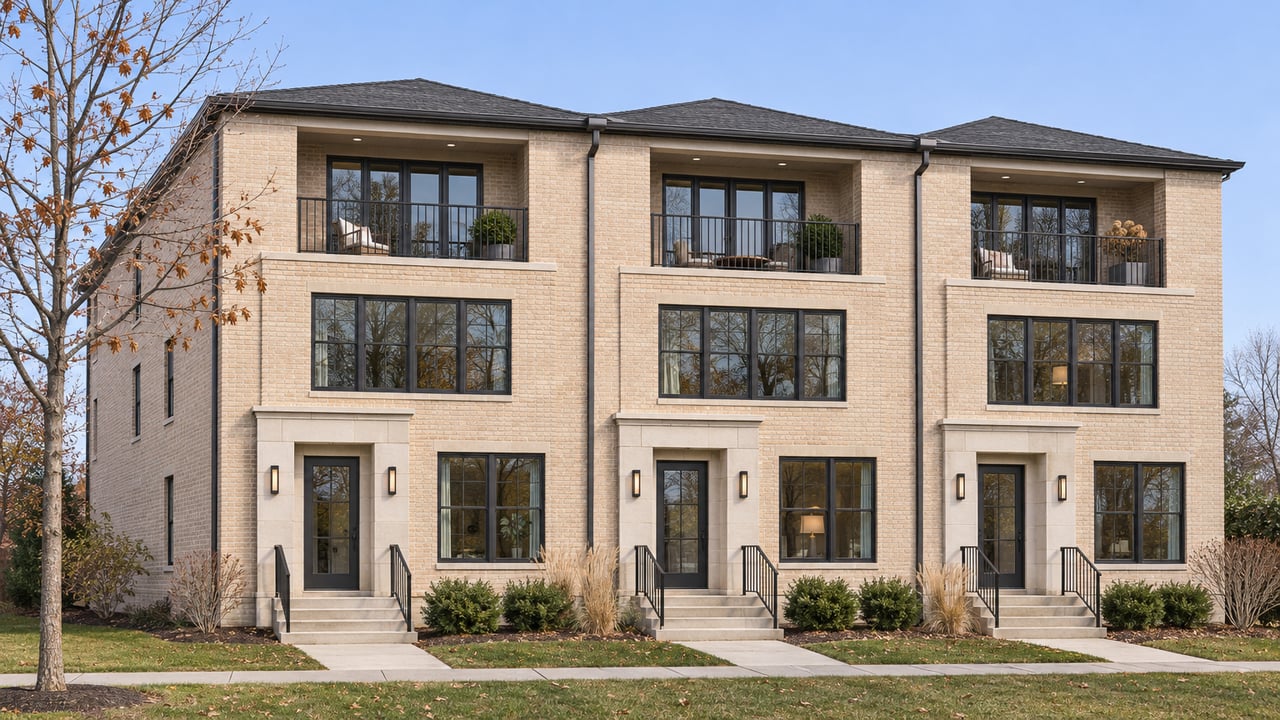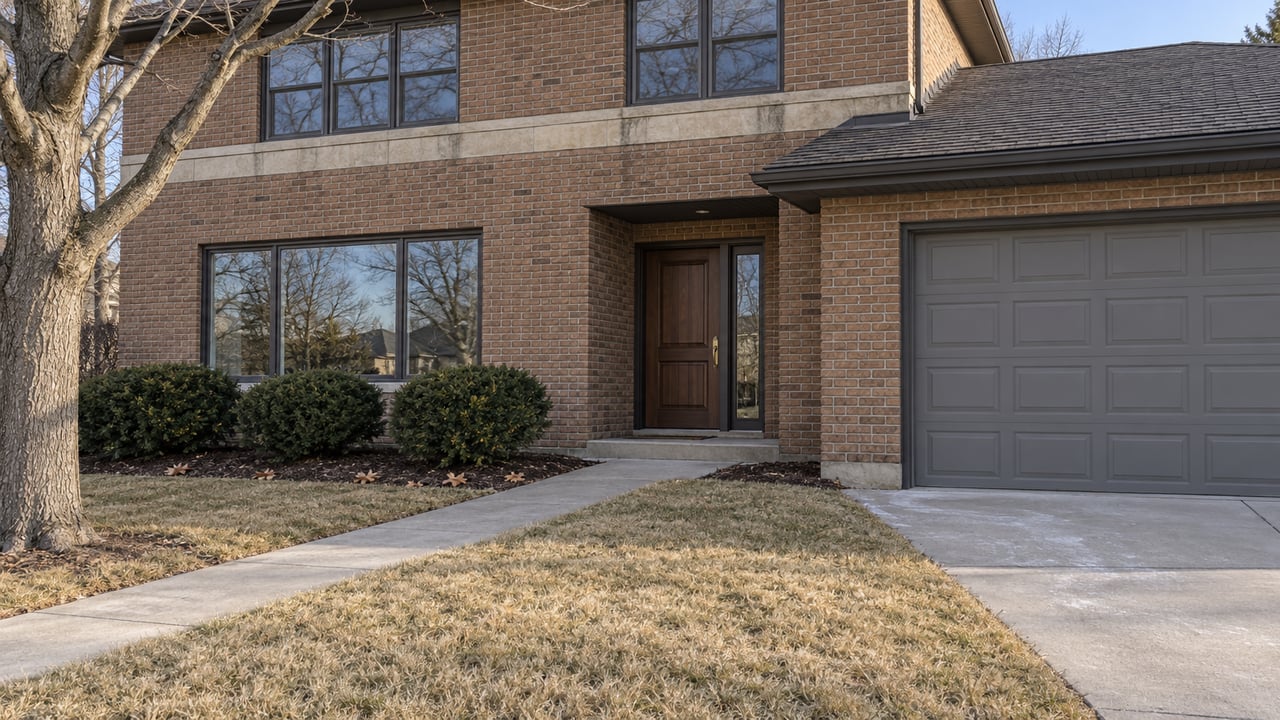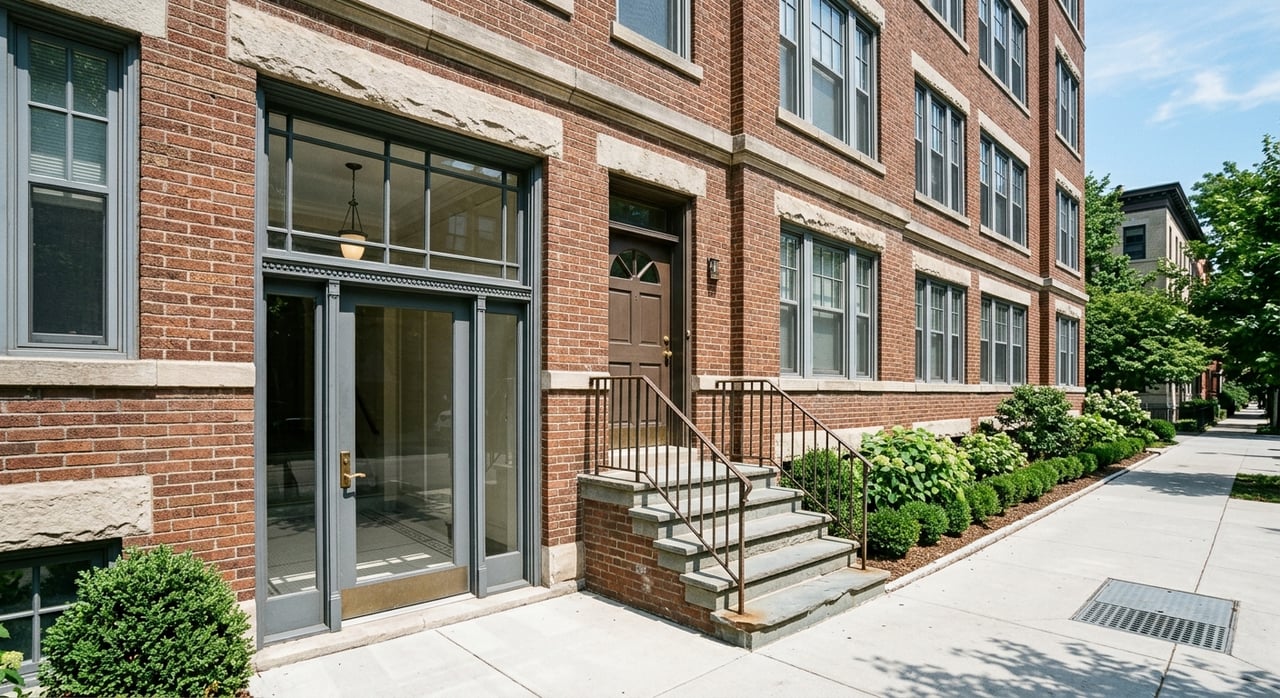
Wondering whether a condo, townhome, or single-family home makes the most sense in Evanston? You are not alone. In a built-out, transit-rich city with everything from downtown condo buildings to classic detached houses, the right choice often comes down to how you want to live day to day, what level of upkeep you are comfortable with, and how you want to balance price, space, and flexibility. This guide will help you compare the three main options in Evanston so you can make a smarter, more confident decision. Let’s dive in.
Evanston housing at a glance
Evanston offers a wide mix of housing types in a relatively compact lakefront city. The city includes nine business districts, including Downtown, Central Street, and the Main-Dempster Mile, along with strong rail access through Metra UP-N stops at Main, Davis, and Central and CTA Purple Line stops at Central, Noyes, Foster, Davis, Dempster, Main, and South Boulevard.
That transit access and walkable planning shape the local housing mix. City data show that about 33% of housing units are detached single-family homes, 5% are attached single-unit structures, 14% are in 2 to 4 unit buildings, 19% are in 5 to 19 unit buildings, and 29% are in buildings with 20 or more units.
Evanston is also a mature housing market with limited vacant land. More than half of the housing stock was built before 1950, and recent growth has come largely from mixed-use rental buildings downtown. That helps explain why condos are concentrated near the core and station areas, while detached homes remain a major part of the city’s broader neighborhood fabric.
Condo living in Evanston
Where condos fit best
Condos are often the best fit if you want to prioritize walkability, transit access, and lower day-to-day upkeep. In Evanston, that usually points buyers toward downtown, station areas, and lakefront-adjacent locations where mixed-use and pedestrian-oriented development is most common.
If your ideal routine includes being close to shops, dining, transit, and daily conveniences, a condo may line up well with your goals. The tradeoff is usually less private outdoor space and more shared governance through an association.
What condo ownership really means
A condo can simplify some parts of ownership, but it comes with its own structure and costs. Condo or HOA dues are typically paid directly to the association and are not included in your monthly mortgage payment, so they should be treated as a major part of your monthly housing budget.
Illinois law makes association finances especially important. Under the Illinois Condominium Property Act, associations must prepare annual budgets, include reasonable reserves for capital expenditures and deferred maintenance, and collect each owner’s share of common expenses.
That means your buying decision is not only about the unit itself. It is also about the financial condition and management of the building.
What to review before buying a condo
Before you buy a condo in Evanston, pay close attention to the association documents. A well-run building can support smoother ownership and resale, while weak reserves or pending projects can create unexpected costs.
Key items to review include:
- Declaration and bylaws
- Current budget
- Reserve funding information
- Board meeting minutes
- Insurance structure
- Recent or pending special assessments
- Rental rules if you may lease the unit later
If future renting is part of your plan, remember that Evanston requires annual rental registration for condos used as long-term rentals.
Townhomes in the middle
Why townhomes appeal to many buyers
Townhomes often sit between condos and detached houses in both feel and function. They can offer more privacy and space than a condo, while still reducing some of the exterior maintenance responsibilities that come with a detached home.
In Evanston, townhomes are especially relevant in corridor and infill settings. The city’s housing planning identifies townhomes and rowhomes as important ownership types, and current development examples show this format continuing to play a role in areas like the Central Street corridor.
Townhome ownership can vary
One of the biggest mistakes buyers make is assuming every townhome works the same way. In Illinois, many townhomes fall under the Common Interest Community Association Act, which means ownership may involve shared expenses, common-area maintenance, association insurance, and community rules.
In practical terms, a townhome may feel more house-like than a condo, but it can still come with dues, reserve exposure, parking rules, and other association obligations. The details depend on the declaration and bylaws, not just the floor plan.
What to check before buying a townhome
Because ownership structures vary, due diligence matters just as much with a townhome as it does with a condo. You want to understand exactly what you own, what the association maintains, and what costs may come your way later.
Focus on these questions:
- Is the ownership fee-simple, or part of a common interest community structure?
- What do the dues cover?
- How strong are reserves?
- Are there special assessments?
- What are the parking rules?
- Are there rental limits?
- Who handles roofs, exterior walls, landscaping, and snow removal?
For many buyers, townhomes hit a sweet spot. You may get more room and privacy than a condo without taking on the full maintenance load of a detached house.
Single-family homes in Evanston
Where detached homes stand out
Detached single-family homes are still the backbone of Evanston’s housing stock. They are closely tied to the city’s tree-lined streets, older housing inventory, and historic residential character.
City analysis shows that home values are generally higher in northern and central Evanston and lower in southern and western areas. That broader pattern helps explain why detached homes often represent the highest price points in the local market.
More control, more responsibility
A detached home typically gives you the greatest level of autonomy. You are not sharing walls with neighbors, and you usually have more control over renovations, exterior improvements, and long-term property planning.
That control comes with more responsibility. Homeowners are responsible for maintenance and repairs, and in Evanston that can be a serious consideration because more than half of the housing stock predates 1950. Older homes may bring charm and character, but they can also require more frequent system updates, repairs, and capital planning.
Long-term flexibility matters
For some buyers, the biggest advantage of a detached home is flexibility over time. Evanston allows accessory dwelling units under city regulations, including attached and detached coach house formats, which can create more options for long-term owners.
That kind of flexibility may matter if you are thinking ahead about multigenerational living, future rental income, or a changing household setup. If a single-unit home or ADU is used as a long-term rental, Evanston requires annual rental registration.
Comparing price and value
Detached versus attached prices
Public market data show a significant price gap between detached and attached ownership homes in Evanston. In MRED’s April 2026 Evanston update, detached single-family homes had a median sales price of $811,000, while attached single-family homes had a median sales price of $355,500.
That is a major difference, but it is important to use the numbers carefully. City housing analysis notes that MLS reporting often groups condos and townhomes into a broader attached category, so public data may not cleanly separate those two property types.
What the numbers mean for buyers
The gap still tells an important story. In general, detached homes command a premium for land, privacy, and control, while attached options tend to offer a lower entry point into ownership.
That does not automatically make condos or townhomes the better value. Real value depends on how well the property type matches your budget, maintenance comfort, location preferences, and time horizon.
How to choose the right fit
Choose a condo if
A condo may be your best fit if you want:
- Strong walkability
- Easy access to Metra or CTA stops
- Lower day-to-day maintenance
- A simpler space to manage
- A location closer to downtown or other active districts
You should also be comfortable with association dues, building rules, and shared decision-making.
Choose a townhome if
A townhome may work best if you want:
- More privacy than a condo
- More interior space or a multi-level layout
- Less exterior upkeep than a detached house
- A house-like feel with some shared responsibilities
You should be ready to review the ownership structure carefully, since townhomes do not all function the same way.
Choose a single-family home if
A detached home may make the most sense if you want:
- Maximum control over the property
- More outdoor space
- More renovation flexibility
- A longer-term ownership model
- Potential future ADU flexibility where allowed
You should also plan for a higher purchase price in many cases and a less predictable maintenance budget.
Smart due diligence for Evanston buyers
No matter which property type you choose, the details matter in Evanston. This is a built-out city with older housing, varied ownership structures, and location-based tradeoffs that can look very different from one block or building to the next.
For condos and townhomes, the most important documents usually include the declaration, bylaws, current budget, reserve information, insurance setup, and any recent assessments. Illinois law gives owners access to annual budgets, reserve information, common-expense details, and open board meetings, which can help you evaluate how well an association is being run.
For detached homes, inspections and repair planning are especially important because of the age of much of Evanston’s housing stock. A home may offer more freedom, but it also places maintenance decisions and costs squarely on you.
The best choice is usually the one that fits both your current lifestyle and your future plans. If you want help weighing these tradeoffs in a practical way, Andra O'Neill brings a hands-on, technically informed approach that can help you evaluate not just the property, but the ownership structure, condition, and long-term fit.
FAQs
What is the main difference between condos, townhomes, and single-family homes in Evanston?
- In Evanston, condos usually offer the lowest-maintenance ownership experience and are often found in walkable, transit-oriented areas. Townhomes are a middle-ground option with more privacy and space than condos but often some shared costs or rules. Single-family homes offer the most control and flexibility, but they usually come with the highest maintenance responsibility and often higher prices.
Are condo fees included in a monthly mortgage payment for Evanston condos?
- No. Condo or HOA dues are usually paid directly to the association and are not part of your monthly mortgage payment, so they should be budgeted as a separate core housing cost.
Do Evanston townhomes always have an HOA or association?
- Not always, but many townhomes in Illinois are part of a common interest community. That is why you should review the declaration, bylaws, budget, and reserve information before buying rather than assuming the ownership structure.
Are single-family homes more expensive than condos and townhomes in Evanston?
- Public market data show detached single-family homes selling at a much higher median price than attached ownership homes in Evanston. In April 2026, MRED reported a median sales price of $811,000 for detached homes versus $355,500 for attached single-family homes.
What documents should buyers review for Evanston condos and townhomes?
- Buyers should review the declaration, bylaws, current budget, reserve funding information, insurance setup, board minutes, and any recent or pending special assessments.
Can you rent out a condo, townhome, or single-family home in Evanston later?
- If the property will be used as a long-term rental, Evanston requires annual rental registration for single-unit homes, condos, multi-unit buildings, and ADUs. Buyers should also check association rules for any rental restrictions that may apply to condos or townhomes.