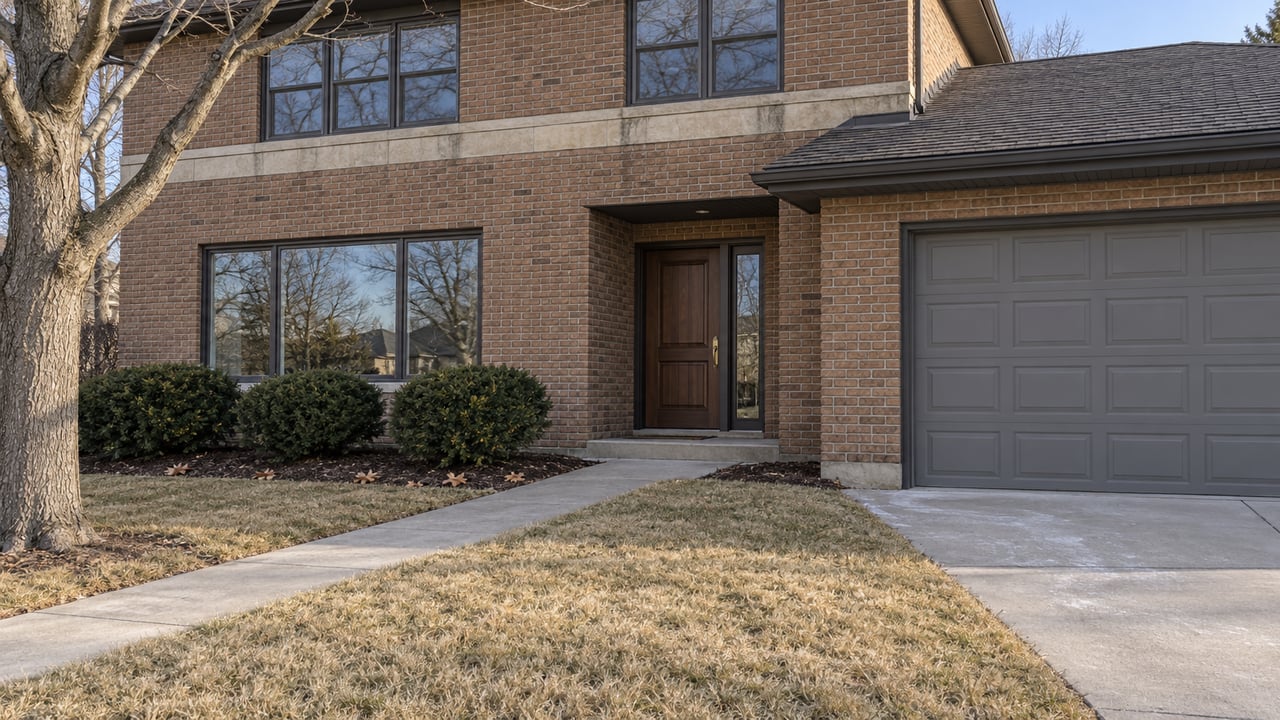
If you need to sell your Deerfield home and buy the next one on a tight timeline, you are not alone. Many homeowners here are trying to balance equity, moving logistics, financing, and the simple question of where they will live if the dates do not line up. The good news is that with the right plan, you can reduce surprises and make the transition far smoother. Let’s dive in.
Why timing matters in Deerfield
Deerfield has been described by recent market trackers as competitive and seller-leaning, which can create both opportunity and pressure when you are making a move. Recent reports showed a median sale price of $694,085 and about 40 days on market over the three months ending May 2026, while other platforms reported homes going pending in around 6 days or a median of 15 days on market as of June 2026.
Those numbers are best read as directional, not interchangeable, because each platform uses a different method. Still, they point to the same takeaway: if your home is priced and prepared well, your sale may move quickly, which means your purchase plan should be ready before you list.
Census data also helps explain why this topic matters in Deerfield. The owner-occupied housing rate is 82.5%, the median household income is $181,660, and the median value of owner-occupied homes is $623,400. In practical terms, many sellers here are not just moving out. They are coordinating a move-up purchase, a relocation, or a change in household needs.
Start with your risk tolerance
Before you decide whether to sell first or buy first, it helps to get clear on what matters most to you. Some homeowners want the lowest possible financial risk. Others are more concerned about locking in the next home before it is gone.
A simple way to frame the decision is this: are you more comfortable with the risk of carrying two homes for a period of time, or the risk of selling and needing temporary housing? Your answer will shape the strategy.
Selling first: the lower-risk path
For many Deerfield homeowners, selling first is the cleaner option. It gives you a firmer picture of your available equity, reduces the chance of carrying two housing payments, and can make your financing on the purchase side more straightforward.
This approach is often the lowest-risk path for cash flow and mortgage qualification. If your current principal residence is pending sale but will not close before the note date on your new mortgage, Fannie Mae guidance says the current housing payment is generally counted in qualification unless the lender has the executed sales contract and confirmation that financing contingencies have been cleared.
That matters because a home that is merely listed or even under contract may still affect what you can qualify for. If you plan to buy soon after listing, your lender will want to see exactly how far along the sale is and whether the buyer’s financing contingencies have been satisfied.
When selling first works best
Selling first may make the most sense if:
- You want a clearer budget before shopping
- You need sale proceeds for the down payment
- You want to avoid pressure from overlapping payments
- You prefer a more conservative financing path
The tradeoff is timing. If your sale closes before your purchase is ready, you may need a short-term place to stay.
Buying first: more flexibility, more moving parts
If you need to secure your next home before your current one sells, buying first can work, but it usually requires more planning. This strategy can be helpful if you have a very specific target area, home type, or timing need and do not want to risk missing the right property.
The challenge is that buying first often means finding a way to access equity before the sale closes. It can also mean carrying more than one payment for a period of time, depending on how the transaction is structured.
Bridge loans
A bridge loan is a classic short-term tool for this situation. Fannie Mae defines it as a short-term loan secured by your principal residence that allows you to use the proceeds to close on a new home before your present home is sold.
Consumer finance guidance also treats bridge loans with a term of 12 months or less as temporary financing for a purchase while you plan to sell the current dwelling within 12 months. In real life, that means a bridge loan can help you move quickly, but it is still short-term debt that needs a clear exit plan.
HELOCs
A HELOC can be another option if you have enough equity and want flexible access to funds. A HELOC is an open-end line of credit that lets you borrow repeatedly against your home equity during the draw period.
This flexibility can be useful, but it comes with important considerations. HELOCs often have variable rates, and the lender can freeze further borrowing if your home value drops significantly or if your financial situation changes.
Cash-out refinances
A cash-out refinance may also create funds for your next purchase, but it replaces your current mortgage with a larger one. Consumer finance research notes that cash-out refinances borrow substantially more than the existing balance and can increase both the monthly payment and the loan term.
This option may be more relevant if you are comfortable changing your current loan terms in exchange for liquidity. If you already have a favorable mortgage rate, that tradeoff deserves close review.
Use the contract to solve timing gaps
One of the most practical ways to coordinate your move is through the contract itself. In Illinois, the sales contract should explicitly address the sales price, earnest money, financing terms, closing date, possession date, personal property included, tax prorations, and inspection and possession rights.
For move-up sellers and buyers, the possession date can be especially important. A well-negotiated possession arrangement may give you needed time between closing and move-out, which can help reduce disruption if your next purchase closes shortly after your sale.
The Illinois State Bar Association recommends consulting a real estate attorney before signing documents. That guidance is especially relevant when repairs, possession timing, or other transition details could affect your move.
Terms worth watching closely
If you are trying to line up a sale and purchase, pay special attention to:
- Closing date
- Possession date
- Financing terms
- Inspection-related repair issues
- Personal property included in the sale
- Tax prorations
These are not minor details. They often determine whether your move feels controlled or chaotic.
Build a backup housing plan early
Even with strong planning, closings do not always line up perfectly. That is why temporary housing should be part of the conversation early, not treated as a last-minute emergency.
As of June 2026, Realtor.com showed 207 rental properties in Deerfield and a median rent of about $2,711 per month. That does not guarantee the right short-term option will be available when you need it, but it does suggest that temporary housing is something you can price into your planning.
Your backup plan might include:
- A short lease
- Extended-stay lodging
- Staying with relatives for a brief period
- Storage plus a temporary furnished rental
If you may need this bridge period, include it in your moving budget from the start. That way, if the gap appears, it is an inconvenience, not a crisis.
Know which county handles your closing paperwork
Deerfield is in Lake County, but part of the village is in Cook County. That means the county where your parcel is located matters for recording and transfer-tax procedures.
For Illinois transfers, the buyer and seller complete PTAX-203 and file it in the county where the property is located. Illinois imposes a state real estate transfer tax of 50 cents per $500 of value, and Lake County states that its county transfer tax is 25 cents per $500, with the Lake County Clerk collecting state and county transfer taxes at recording.
Lake County also notes that it only collects state and county transfer taxes, while some municipalities require additional local stamps before recording. The Lake County transfer-tax pamphlet lists several municipalities that require separate municipal revenue stamps, and Deerfield is not among the municipalities named in that pamphlet.
The key point is simple: do not assume the same process applies to every Deerfield address. Confirm whether your property is in the Lake County or Cook County portion before you finalize expectations for transfer paperwork and recording.
A practical sequence for Deerfield homeowners
If you are trying to coordinate both sides of a move, a step-by-step plan can reduce stress. The best version for you will depend on your finances, your timeline, and how much flexibility you have on move dates.
A practical starting sequence often looks like this:
- Review your current equity and likely sale range
- Talk with your lender about qualification if your current home has not closed
- Decide whether you are more comfortable selling first or buying first
- Price temporary housing into your budget as a backup
- Pay close attention to closing and possession terms in the contract
- Confirm your parcel’s county for transfer paperwork and recording
This kind of planning is especially helpful in a seller-leaning market, where your current home may attract attention quickly but the next home may also require fast decision-making.
Why local coordination matters
A sale-and-purchase sequence has a lot of moving parts. Pricing, home preparation, lender timing, contract terms, attorney review, and move logistics all affect the outcome.
That is where experienced coordination can make a real difference. When your representation includes strong market guidance, practical problem-solving, and careful attention to the transaction timeline, it becomes easier to protect both your momentum and your peace of mind.
If you are planning a Deerfield move and want a clear strategy for selling your current home while preparing for the next purchase, Andra O'Neill can help you map out the timing, the contract details, and the local steps that keep everything moving.
FAQs
Should I list my Deerfield home before I find my next home?
- In many cases, yes. Selling first can reduce financial risk, clarify your budget, and make mortgage qualification simpler, though you may need a temporary housing backup if closings do not line up.
Will my lender still count my current mortgage if my Deerfield home is under contract?
- Possibly. If your current principal residence will not close before the new mortgage note date, the payment is generally counted unless the lender has the executed sales contract and confirmation that financing contingencies have been cleared.
Is a bridge loan or HELOC better for a Deerfield move-up purchase?
- It depends on your equity, timeline, and comfort with short-term debt. A bridge loan is designed to help you buy before selling, while a HELOC offers flexible access to equity but may have a variable rate and lender restrictions.
How much temporary housing should I budget for in Deerfield?
- Build in room for at least a short-term backup plan. As of June 2026, local rental listings in Deerfield numbered 207 with a median rent of about $2,711 per month, which gives you a starting point for budgeting.
Which contract terms matter most when coordinating a Deerfield sale and purchase?
- The most important terms usually include the closing date, possession date, financing terms, inspection-related repair issues, personal property included, and tax prorations.
Which county handles transfer paperwork for a Deerfield home sale?
- It depends on where the parcel is located. Deerfield spans Lake County and Cook County, so you should confirm the property’s county before assuming which recording and transfer-tax procedures apply.