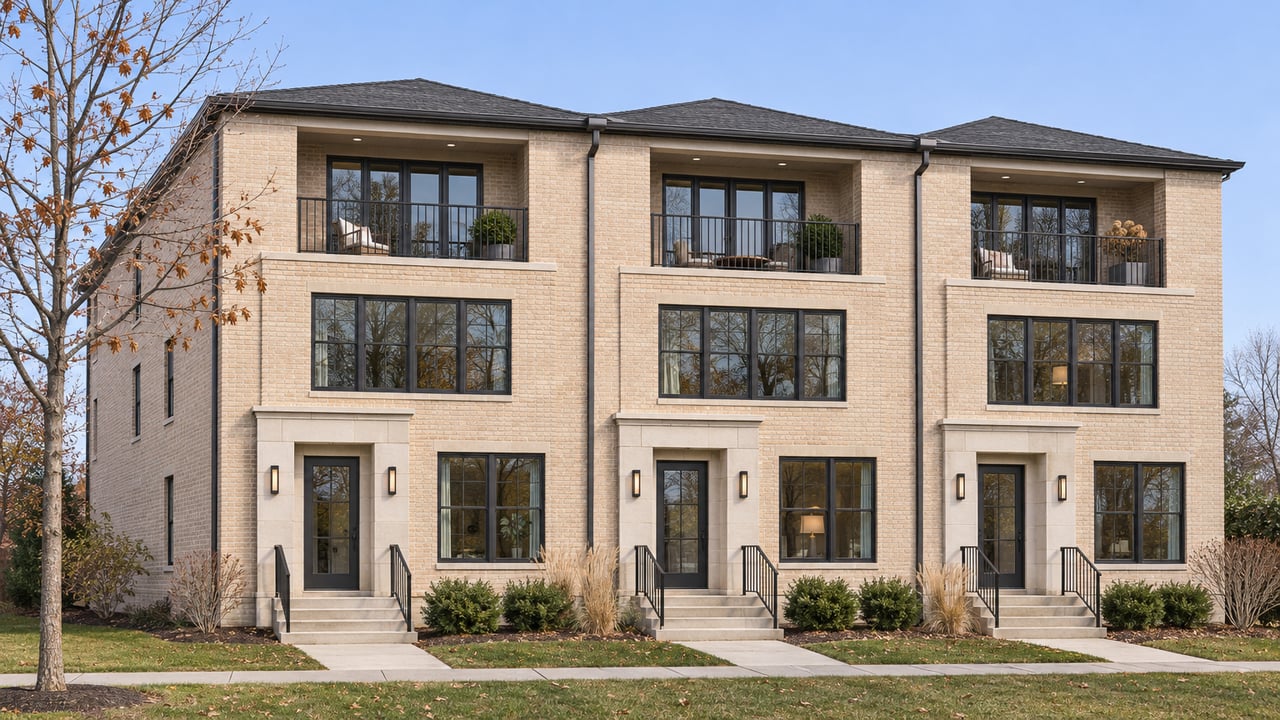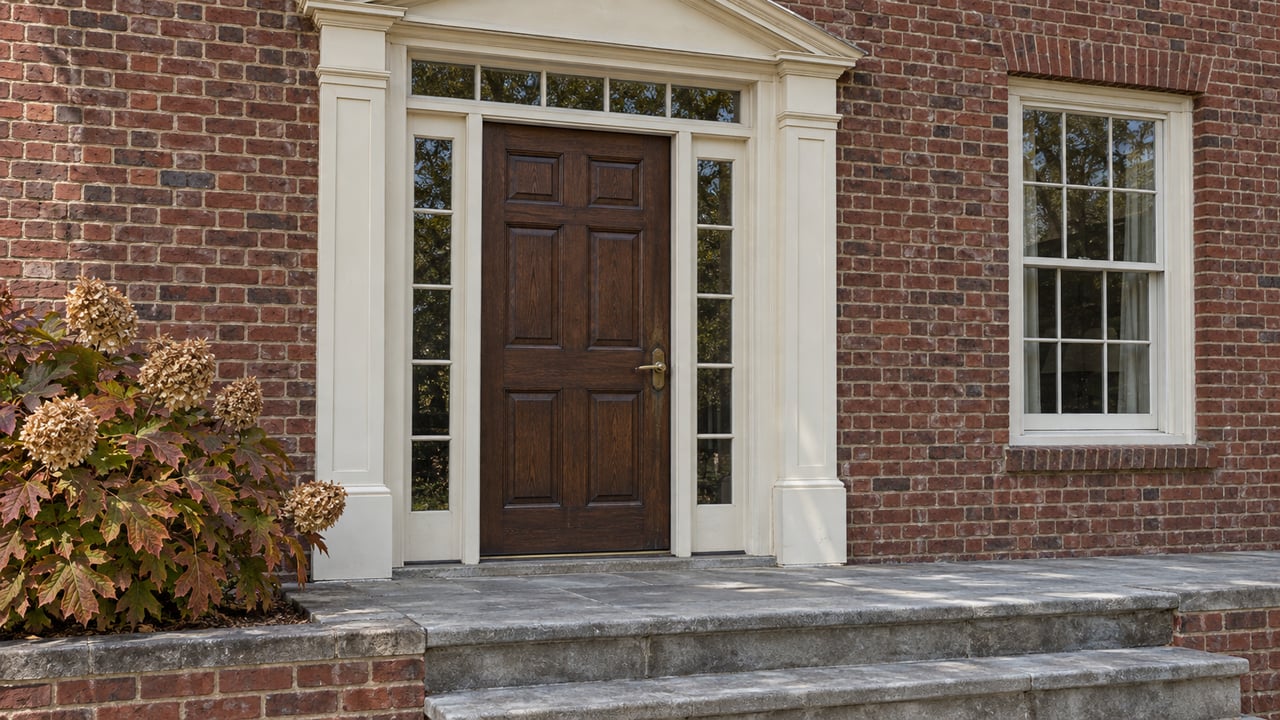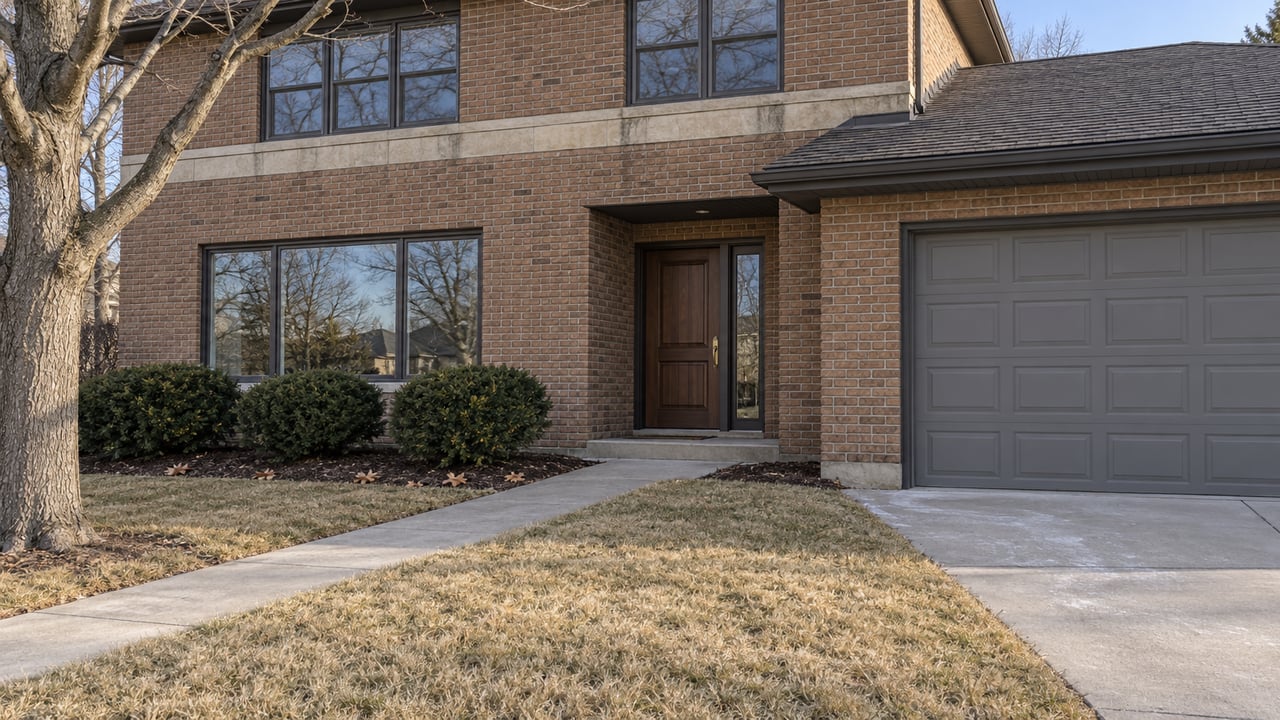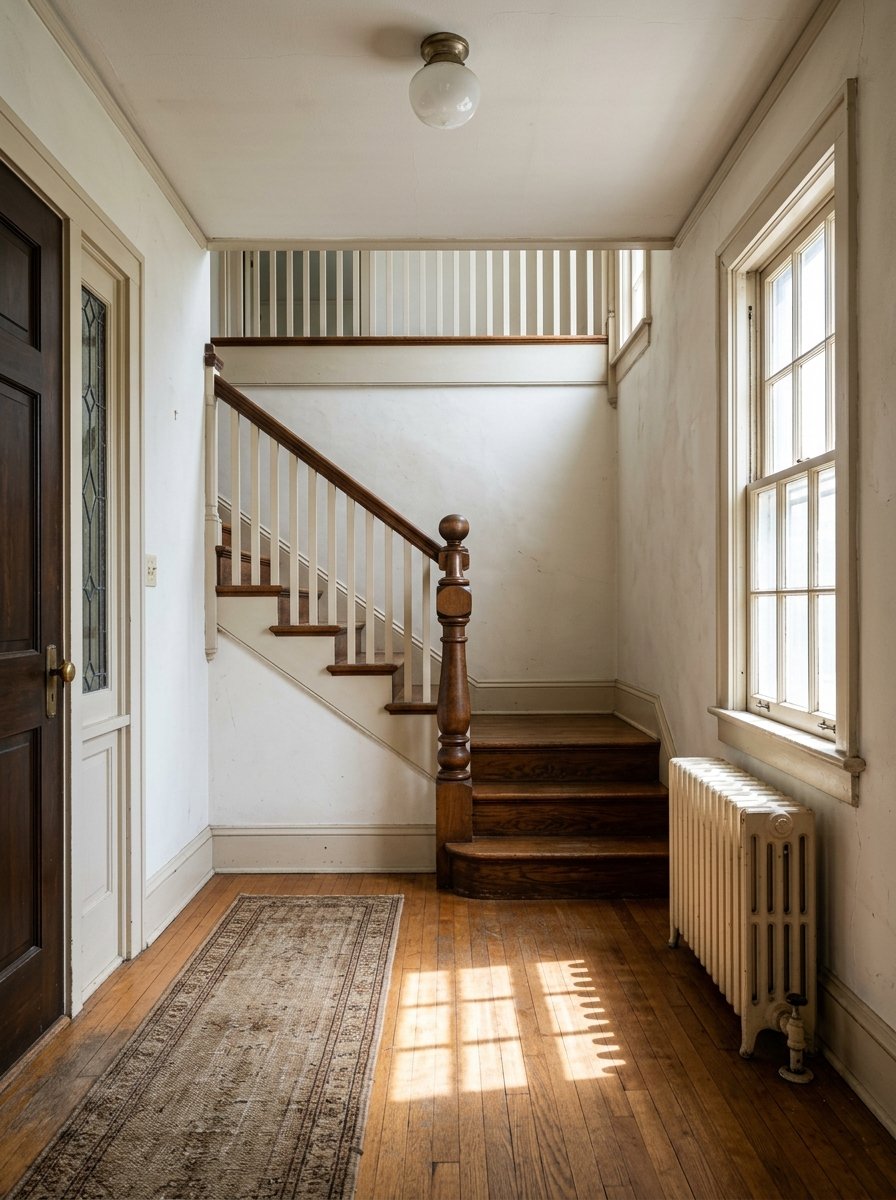
If you have ever fallen for an Evanston home because of its original millwork, wide front porch, or storybook curb appeal, you are not alone. Vintage homes here can be full of character, but they can also hide expensive issues behind beautiful finishes. Before you get swept up in the charm, it helps to know what to evaluate first so you can protect both your budget and your long-term plans. Let’s dive in.
Why Evanston vintage homes need a careful look
Evanston has an unusually deep stock of older housing, including more than 850 registered individual local landmarks. The city’s landmark inventory includes properties dating from the 1850s through the mid-1960s, which means many buyers are looking at homes with real architectural history and equally real maintenance demands.
That older housing stock is part of Evanston’s appeal, but it changes how you should approach due diligence. In a market where the median owner-occupied home value is $481,200 and median monthly owner costs with a mortgage are $2,891, it is important to look beyond cosmetics and understand what the house may need next.
Start with water and drainage
When you evaluate a vintage home, start outside and work your way in. A smart first pass begins with the lot slope, drainage patterns, and how water moves around the home before you focus on finishes, fixtures, or decor.
In Evanston, this matters even more because the city’s stormwater master plan says sump pumps and downspouts should discharge at grade and drainage swales should be kept clear. If you notice standing water, musty smells, water staining, or grading that seems to direct water toward the house, treat that as a major warning sign.
Check lot slope and runoff
Walk the property slowly and pay attention to whether the ground slopes away from the home. If water appears to collect near the foundation, that can lead to moisture problems in the basement or crawlspace.
Also look at downspouts and where they discharge. If they do not carry water away from the house effectively, you may be looking at a drainage issue that is far more important than dated finishes.
Look for basement moisture signs
Inside, begin in the basement or crawlspace. Damp air, musty odors, staining, or visible moisture can all point to an ongoing water problem rather than a one-time event.
In older homes, buyers sometimes dismiss basement issues as part of the package. That is risky. In a vintage Evanston home, moisture intrusion should be treated as a serious due-diligence item.
Evaluate structure and the building envelope
Once water management looks reasonably under control, turn to the structure and exterior shell of the home. This includes the foundation, walls, siding, windows, gutters, and roof.
A first-pass inspection should focus on the signs that often signal larger repair costs. Horizontal foundation cracks, sagging walls, walls that seem out of plumb, roof leakage, and poor roof drainage all deserve close attention.
Foundation and wall red flags
Look carefully for cracks in foundation walls and signs of movement. Not every crack means disaster, but horizontal cracking or visible shifting should prompt more investigation.
You should also watch for floors or walls that feel uneven, doors that do not close properly, or sections of the house that seem to have settled. In a vintage home, those clues can point to structural work that may affect your renovation budget and timeline.
Roof, windows, and gutters
The roof and drainage components do more than protect curb appeal. They protect the entire house from water intrusion, which is why leaking roofs, failing gutters, and poor downspout placement can quickly turn into interior damage.
Windows also deserve attention, especially in older homes where replacements may have cost, permit, or preservation implications. If the windows are drafty, deteriorated, or nearing replacement, that should be part of your early budget planning.
Don’t skip the attic
Attics can reveal a lot about how a home has been maintained. Poor ventilation, signs of roof leakage, or weak insulation may show up there before you notice them elsewhere.
Older homes often have less insulation than newer ones. A qualified home energy assessor can evaluate attic, wall, and foundation insulation as part of a whole-house energy assessment, which can help you understand future comfort and efficiency costs.
Review the major systems next
After the home passes the first test on water, structure, and envelope, shift your attention to the core systems. In many vintage homes, the biggest hidden costs are not decorative at all. They are mechanical, electrical, and plumbing updates.
This is where charm stops mattering and function takes over. A beautiful house can still become an expensive project if the heating system is near the end of its useful life, the electrical service is outdated, or the plumbing shows signs of corrosion or leaks.
Heating and cooling
A heating system replacement can be a major expense, so ask early about the age and condition of the equipment. You do not need every system to be brand new, but you do want a realistic picture of what may need replacement soon.
Electrical system basics
In an older home, verify service capacity and look into GFCI protection. Vintage houses may have been updated over time, but the quality and completeness of those updates can vary.
Plumbing and leaks
Pay attention to water pressure, shutoff valves, fixture function, and signs of active or past leaks. Corrosion, staining, or piecemeal repairs can all suggest future work.
Make sure the layout fits your life
A vintage home can be structurally sound and still be the wrong fit if the layout does not work for how you live. Before you start pricing renovations, test whether the kitchen, bath count, storage, bedroom privacy, and room-to-room flow support your daily routine.
This step matters because many buyers assume they can easily “open things up” later. In an older Evanston home, reworking walls, changing the exterior, or altering a landmarked property may involve more time and review than expected.
Ask practical daily-life questions
As you walk through the home, ask yourself:
- Does the kitchen function the way you need it to?
- Is there enough bathroom space for your household?
- Do the bedrooms offer the privacy you want?
- Is there enough storage for everyday living?
- Does the flow between rooms feel natural?
If the answer to several of those questions is no, the home may still work for you, but only if you fully understand the scope of changes required.
Confirm landmark and historic status early
This is one of the most important steps in Evanston. Before you get too far into planning, confirm whether the property is a landmark or located in a historic district.
Evanston directs buyers to use the About my Place application to confirm status. That detail matters because exterior alterations on landmark properties or properties in historic districts can require a Certificate of Appropriateness when a permit is needed and the work is visible from the public way.
Why historic status changes planning
Interior-only work with no exterior change is generally outside preservation review. But once your plans affect the exterior, additions, construction, relocation, or demolition, preservation review becomes much more relevant.
Even projects that feel routine can trigger extra steps. Evanston lists window replacement as a permit category for historic residential properties, which shows how quickly a simple improvement can become a more involved process.
Understand permits before you commit
If you are considering updates, your offer strategy should include a permit and feasibility mindset from the start. Evanston says residential projects go through building permit review, and exterior work or additions require a current plat of survey.
The city also requires contractors to be registered, along with insurance and registration documentation before permit issuance. If the project affects grading, stormwater, or utility connections, engineering review may also be involved.
Budget for more than construction
In a vintage home, the budget should cover more than labor and materials. You may also need to account for design time, permit fees, review time, and the cost of licensed specialists.
Evanston also requires a valid certificate of occupancy for residential properties. That means your renovation planning should reflect both the visible construction work and the local process needed to complete it properly.
Don’t overlook lead and other older-home hazards
If the home was built before 1978, lead should be part of your evaluation. The older the home, the more likely it contains lead-based paint. EPA estimates that 87% of homes built before 1940 and 24% of homes built between 1960 and 1978 have some lead-based paint.
That does not mean every older home is unsafe. It does mean you should ask the right questions before renovation, especially if paint disturbance is likely.
What to ask about pre-1978 homes
For most pre-1978 housing, buyers have a right to know whether lead hazards are present before signing a contract. If renovation is part of your plan, lead-safe certified contractors matter because repair and painting work can create hazardous lead dust.
Older-home inspections may also raise questions about asbestos and radon. If those issues are suspected, professional testing or remediation planning may be appropriate.
Use inspections as a negotiation tool
Vintage homes rarely come without a punch list. The goal is not to find a perfect house. The goal is to understand which issues are cosmetic, which are functional, and which could become major capital expenses.
Inspection guidance supports using an inspection contingency or price renegotiation if defects are found. It also recommends attending the inspection in person, which gives you a clearer sense of what matters most and where to focus your budget.
A smart evaluation order for Evanston buyers
If you want a practical way to stay grounded during a showing or inspection, use this order:
- Water management and drainage
- Foundation, structure, and exterior envelope
- Heating, electrical, plumbing, and insulation
- Layout fit for daily life
- Landmark status, permits, and preservation complexity
- Lead and other older-home hazard questions
That order can help you separate true value from expensive surprises. In Evanston, the homes with the most charm are often the ones that reward careful, informed buying.
If you are considering a vintage home, it helps to work with someone who can look past the finishes and evaluate the real-world implications of repairs, updates, and city review. Andra O'Neill brings a technically informed, hands-on perspective to complex homes and can help you assess both the opportunity and the risk before you move forward.
FAQs
What should you inspect first in a vintage Evanston home?
- Start with water management, drainage, and the foundation before moving on to the roof, windows, basement, attic, and major systems.
How do you know if an Evanston home is landmarked?
- The City of Evanston tells buyers to confirm whether a property is a landmark or in a historic district by using its About my Place application.
Do historic Evanston homes require special approval for renovations?
- Exterior alterations, construction, relocation, and demolition affecting landmark properties or homes in historic districts can require a Certificate of Appropriateness when a permit is needed and the work is visible from the public way.
What hidden costs are common in older Evanston homes?
- Common hidden-cost areas include drainage fixes, foundation or roof repairs, heating replacement, electrical upgrades, plumbing repairs, insulation improvements, and permit or review costs.
Should you worry about lead in an older Evanston home?
- If the home was built before 1978, lead-based paint should be part of your due diligence because older homes are more likely to contain it, and renovation work can create hazardous dust.
Why does layout matter when buying a vintage home in Evanston?
- Layout matters because an older home may have a floor plan that does not fit modern daily life, and major changes can trigger added cost, permit review, or preservation considerations.